
Starting a fitness journey can feel exciting, confusing, and even overwhelming at the same time. Many beginners struggle because there is so much information available online about workouts, diets, supplements, and health trends. Some advice promises quick results, while other programs seem too difficult to follow. This often leaves people unsure about where to begin.
The truth is that fitness and healthy living are not about extreme diets, exhausting workouts, or trying to achieve perfection overnight. Real health improvements happen through small, consistent habits that fit naturally into daily life. In 2026, more people are realizing that long-term wellness matters far more than temporary results.
Healthy living is not only about losing weight or building muscle. It also includes improving mental health, increasing energy, sleeping better, reducing stress, and creating a balanced lifestyle. Fitness is a journey that helps people feel stronger, healthier, and more confident over time.
For beginners, the most important step is simply getting started. You do not need expensive equipment, advanced training plans, or strict diets to improve your health. Simple daily habits can create meaningful changes when practiced consistently.
This guide explains everything beginners need to know about fitness and healthy living, including exercise, nutrition, motivation, recovery, and building sustainable habits that support long-term wellness.
Understanding What Fitness Really Means

Many people think fitness only means having visible muscles or spending hours in the gym, but true Fitness is much broader than appearance alone. Fitness refers to the body’s ability to perform physical activities efficiently while maintaining good overall health.
A fit person usually has better strength, endurance, flexibility, balance, mobility, and cardiovascular health. Fitness also improves mental well-being by reducing stress, boosting mood, and increasing confidence.
Healthy living works together with fitness. Good nutrition, proper sleep, hydration, stress management, and emotional balance all contribute to a healthier lifestyle.
In 2026, health experts continue promoting sustainable wellness rather than unrealistic body standards. People are focusing more on feeling healthy rather than simply looking a certain way.
Understanding this mindset is important for beginners because it helps create realistic expectations and healthier goals.
Why Fitness Is Important for Everyone
Exercise and healthy habits provide benefits that go far beyond physical appearance. Regular movement improves heart health, strengthens muscles and bones, boosts energy levels, and supports immune function.
Fitness also plays a major role in mental health. Physical activity releases chemicals in the brain that help reduce anxiety, stress, and negative emotions. Many people notice improved concentration and better sleep after becoming more active.
Healthy living also lowers the risk of serious health conditions such as obesity, diabetes, high blood pressure, and heart disease. In modern lifestyles where people spend long hours sitting and using technology, regular movement has become more important than ever.
For beginners, one of the biggest surprises is how quickly energy levels improve after starting a consistent routine. Even light daily exercise can increase stamina and improve overall mood within a few weeks.
Fitness is not about becoming perfect. It is about becoming healthier and feeling better physically and mentally.
Starting Your Fitness Journey the Right Way
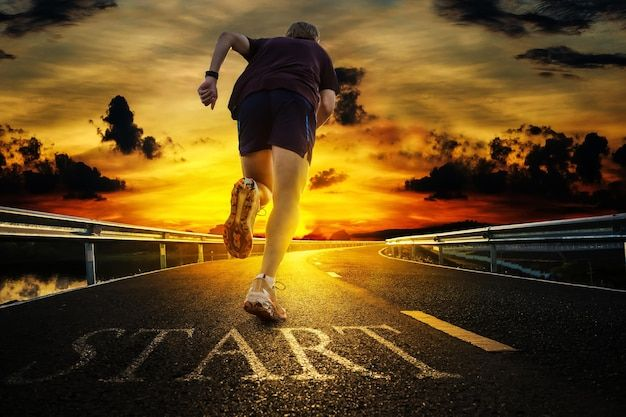
One of the biggest mistakes beginners make is trying to do too much too quickly. Intense workouts, restrictive diets, and unrealistic expectations often lead to burnout or injury.
The best way to begin is by starting small and building consistency. A short walk, basic stretching routine, or beginner-friendly workout is enough to create positive momentum.
Fitness should feel manageable and enjoyable rather than stressful. Choosing activities you genuinely like makes it easier to stay committed. Some people enjoy gym workouts, while others prefer dancing, cycling, yoga, swimming, or outdoor walking.
Creating realistic goals is also important. Instead of focusing only on weight loss or appearance, beginners should aim to improve energy, strength, flexibility, or daily habits.
Tracking progress can help maintain motivation. Small improvements such as better endurance, improved sleep, or increased confidence are meaningful signs of success.
In 2026, many beginners also use fitness apps and smart devices to monitor workouts, steps, sleep, and hydration. These tools can provide motivation and structure without making fitness overly complicated.
The Importance of Regular Exercise
Exercise is one of the foundations of healthy living. Regular movement strengthens the body and improves physical performance over time.
Cardio exercises such as walking, jogging, cycling, or swimming improve heart health and endurance. Strength training helps build muscles and maintain healthy bones. Flexibility exercises improve mobility and reduce stiffness.
For beginners, balance is key. The body needs a combination of movement, recovery, and proper nutrition to stay healthy.
One important lesson many people learn is that consistency matters more than intensity. A simple routine performed regularly is usually more effective than occasional extreme workouts.
Rest is equally important. Muscles recover and grow during recovery periods, so beginners should avoid overtraining. Listening to the body helps prevent injuries and exhaustion.
Fitness should become a sustainable lifestyle rather than a short-term challenge.
Nutrition and Healthy Eating Habits
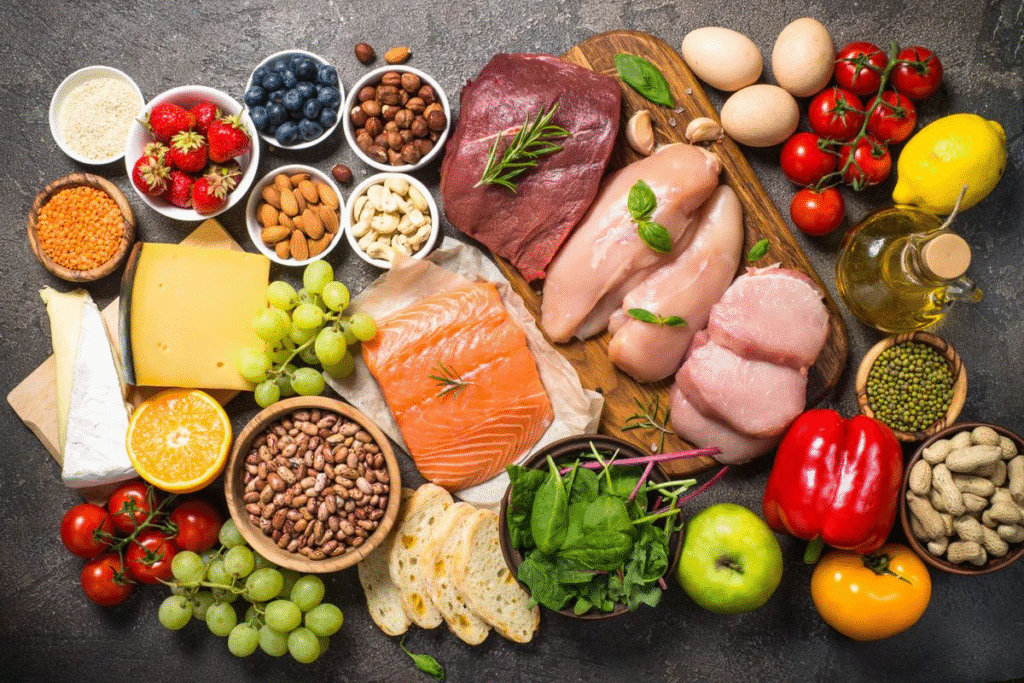
Nutrition plays a major role in overall health and fitness progress. Exercise alone cannot support wellness without proper eating habits.
Healthy eating in 2026 focuses more on balance than strict dieting. Instead of avoiding entire food groups, experts encourage people to choose nutrient-rich foods while practicing moderation.
Fruits, vegetables, lean proteins, healthy fats, whole grains, and enough water help support energy, muscle recovery, and overall body function.
Beginners often believe they need complicated diets to become healthier, but simple improvements can make a huge difference. Eating home-cooked meals more often, reducing processed foods, and staying hydrated are strong starting points.
Hydration is especially important because water supports digestion, circulation, energy levels, and exercise performance.
Mindful eating is also becoming more popular. This means paying attention to hunger, eating slowly, and developing a healthier relationship with food.
Healthy living is not about perfection or strict restrictions. It is about building eating habits that support long-term health and balance.
Mental Health and Fitness Connection
Modern wellness discussions increasingly recognize the connection between physical and mental health. Exercise does not only strengthen the body; it also supports emotional well-being.
Many people experience lower stress levels and improved mood after regular physical activity. Exercise can help release tension, improve sleep quality, and increase feelings of confidence and achievement.
Healthy living also involves protecting mental peace. Constant pressure to look perfect or compare progress with others can create unnecessary stress.
Social media has changed the fitness industry significantly in recent years. While online content can provide inspiration, it can also create unrealistic expectations. Beginners should remember that real health progress looks different for everyone.
Building healthy habits should focus on personal growth rather than comparison.
Meditation, mindfulness, spending time outdoors, and maintaining supportive relationships are also valuable parts of healthy living.
Building Healthy Habits That Last
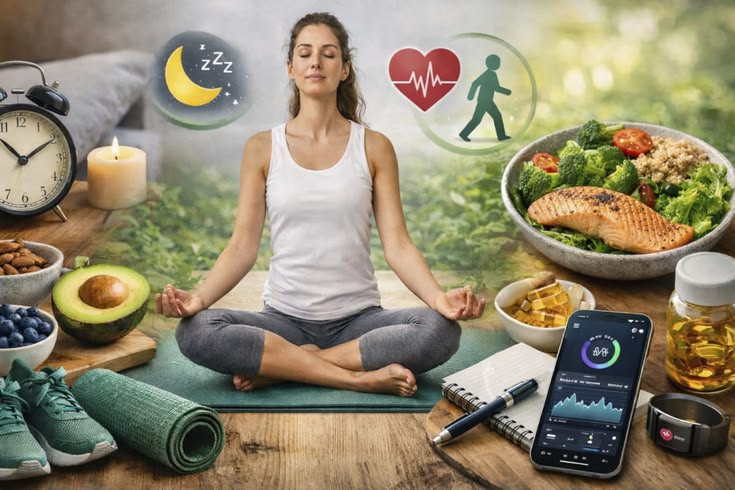
One reason many fitness journeys fail is because people focus on short-term motivation instead of long-term habits. Motivation naturally changes over time, but habits create consistency.
Small daily actions often lead to the biggest transformations. Drinking more water, taking regular walks, improving sleep schedules, and exercising a few times each week may seem simple, but these habits create powerful long-term results.
Healthy living should fit into daily life naturally. Extreme routines are difficult to maintain for long periods.
Creating routines can make healthy choices easier. Scheduling workouts, preparing meals in advance, and maintaining regular sleep patterns help build discipline over time.
In 2026, experts continue emphasizing sustainable fitness because long-term consistency produces healthier outcomes than temporary extreme efforts.
The Role of Sleep and Recovery
Sleep is one of the most overlooked aspects of fitness and health. Many beginners focus heavily on workouts and diets while ignoring recovery.
The body repairs muscles, balances hormones, and restores energy during sleep. Poor sleep can reduce motivation, increase stress, weaken immunity, and negatively affect physical performance.
Adults generally need enough quality sleep each night to support overall wellness. Creating a relaxing nighttime routine and reducing screen time before bed can improve sleep quality.
Recovery also includes rest days, stretching, hydration, and stress management. The body needs time to recover from physical activity to become stronger and healthier.
In 2026, recovery tools such as smart sleep trackers, massage devices, and guided relaxation apps have become increasingly common among people focused on wellness.
Fitness Technology and Modern Wellness Trends
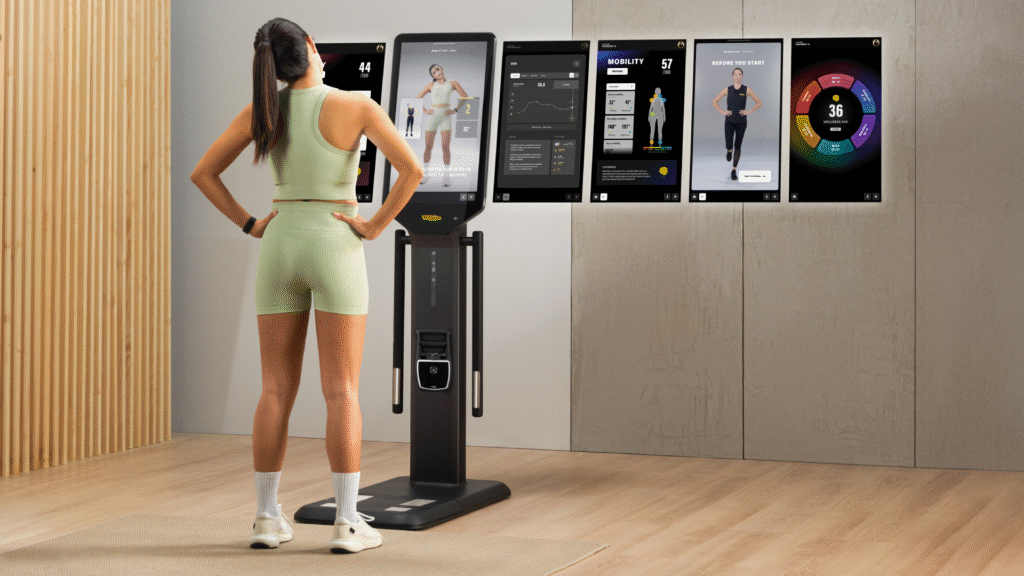
Technology has transformed the fitness industry in recent years. Beginners now have access to workout apps, virtual training programs, wearable fitness trackers, and AI-based health tools.
These technologies help people monitor daily steps, calories burned, sleep quality, hydration, and exercise performance. Many beginners find digital tools motivating because they provide structure and measurable progress.
Online fitness communities have also become popular. Virtual classes and digital coaching make fitness more accessible for people who prefer working out at home.
However, experts still encourage balance. Technology should support healthy living rather than create pressure or obsession.
Fitness trends in 2026 focus more on overall wellness, mental health, flexibility, and sustainable routines rather than extreme body transformations.
Common Beginner Mistakes to Avoid
Many beginners become discouraged because they expect immediate results. Real fitness progress takes time, patience, and consistency.
Another common mistake is following unrealistic diets or workout plans that are difficult to maintain. Healthy living should feel achievable rather than overwhelming.
Some people also compare themselves constantly with others, especially online. Every person has a different body, lifestyle, and starting point.
Skipping recovery, overtraining, or ignoring nutrition can also slow progress and increase the risk of injuries.
The most successful fitness journeys usually come from balance, patience, and realistic expectations.
FAQs
1.What does fitness mean?
Fitness refers to overall physical health, including strength, endurance, flexibility, and the body’s ability to perform daily activities effectively.
2.How should beginners start exercising?
Beginners should start slowly with simple activities like walking, stretching, or beginner workouts and gradually increase intensity over time.
3.How often should I exercise as a beginner?
Consistency matters more than intensity. Moderate exercise several times a week is a good starting point for most beginners.
4.Is healthy eating necessary for fitness?
Yes, nutrition plays a major role in energy, recovery, muscle growth, and overall wellness.
5.Can exercise improve mental health?
Yes, regular physical activity can reduce stress, improve mood, and support better emotional well-being.
- Beauty Guide: Ultimate Beauty Hacks & Tips for Your Glow

- Virgin Atlantic 2026: Complete Flights & Travel Guide

- LEGO Downton Abbey: Everything You Need to Know About the Trending Set

- Fall Fashion Trends 2026: What’s Trending Now & What to Wear

- Miss America 2027 Results: Winner, First Runner-Up, Finalists & Full Highlights

- 2026 Makeup Trends: Easy Hacks for a Natural, Fresh Look
