
Skincare has become much more than a beauty trend. In 2026, it is considered an essential part of overall wellness and self-care. People around the world are paying closer attention to their skin health, understanding that healthy skin not only improves appearance but also boosts confidence and supports long-term well-being. With countless products, ingredients, and skincare advice available online, creating an effective skincare routine can feel overwhelming. Many people struggle to determine which products they actually need and which trends are worth following.
The truth is that a successful skincare routine does not need to be complicated. The most effective routines are often built around consistency, understanding your skin’s unique needs, and choosing products that support your long-term goals. Whether you are new to skincare or looking to improve your existing routine, understanding the fundamentals can help you achieve healthier, more radiant skin.
This guide explores everything you need to know about building a skincare routine in 2026, from identifying your skin type to selecting the right ingredients and maintaining healthy habits that support glowing skin.
Why Skincare Matters More Than Ever

Modern lifestyles expose our skin to numerous challenges every day. Pollution, stress, changing weather conditions, screen exposure, and environmental factors can all affect skin health. At the same time, consumers are becoming more educated about the importance of prevention rather than simply treating problems after they appear.
Healthy skin acts as a protective barrier for the body. When properly cared for, it helps retain moisture, defend against environmental damage, and maintain a smooth, youthful appearance. Investing in a consistent skincare routine can reduce the appearance of common concerns such as dryness, uneven texture, breakouts, and premature signs of aging.
In 2026, skincare is increasingly viewed as a long-term commitment rather than a quick fix. People are recognizing that small daily habits often produce better results than constantly chasing the latest beauty trends.
Understanding Your Skin Type
Before selecting any skincare products, it is important to understand your skin type. Every person’s skin behaves differently, and choosing products that match your skin’s specific needs is one of the most important steps toward achieving positive results.
Some individuals naturally have oily skin, which tends to produce excess sebum and may be more prone to shine and breakouts. Others have dry skin that can feel tight, rough, or flaky. Combination skin features both oily and dry areas, while sensitive skin may react more easily to certain ingredients or environmental factors.
Understanding your skin type helps simplify product selection and prevents unnecessary irritation. Rather than purchasing products based solely on marketing claims, consumers can focus on formulas specifically designed for their unique concerns.
As skincare technology advances, personalized skincare solutions are becoming increasingly popular. However, the foundation of every routine still begins with understanding your skin’s natural characteristics.
The Importance of Cleansing
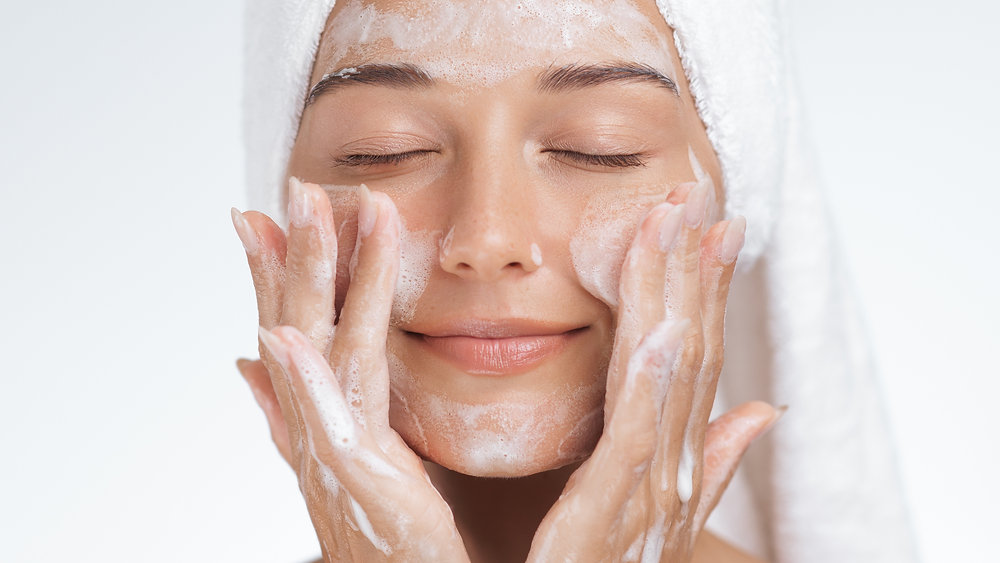
Cleansing is one of the most fundamental aspects of skincare. Throughout the day, the skin accumulates dirt, oil, sweat, makeup, and environmental pollutants. Proper cleansing helps remove these impurities and prepares the skin for subsequent products.
A good cleanser should effectively clean the skin without stripping away its natural moisture barrier. Harsh cleansing can lead to dryness, irritation, and increased sensitivity, while inadequate cleansing may contribute to clogged pores and breakouts.
In 2026, gentle cleansers remain a popular choice among skincare experts. Consumers are increasingly seeking formulas that support the skin barrier while providing a thorough cleanse. Maintaining a balanced approach helps keep the skin comfortable and healthy.
Consistent cleansing, particularly in the morning and evening, provides a strong foundation for every skincare routine.
Hydration Remains a Key Priority
Hydrated skin is healthy skin. Regardless of skin type, maintaining adequate moisture levels is essential for achieving a smooth, radiant complexion. Even individuals with oily skin benefit from proper hydration.
Moisturizers help strengthen the skin barrier and reduce moisture loss throughout the day. They also contribute to a softer texture and healthier appearance. Modern moisturizers are available in various formulations, allowing consumers to choose products that suit their specific preferences and skin needs.
Hydration is especially important because environmental factors such as air conditioning, heating systems, and seasonal weather changes can significantly impact moisture levels. Regular moisturizing helps protect the skin against these daily challenges.
As consumers become more knowledgeable about skincare science, barrier-supporting hydration products continue to gain popularity in 2026.
Why Sun Protection Is Non-Negotiable
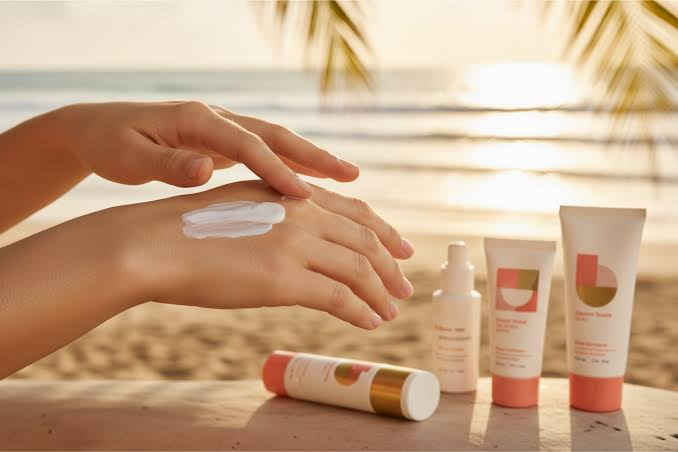
One of the most important steps in any skincare routine is sun protection. Exposure to ultraviolet rays remains one of the leading causes of premature skin aging and can contribute to various long-term skin concerns.
Daily sunscreen use helps protect against environmental damage while supporting overall skin health. Modern sunscreen formulations are lighter, more comfortable, and easier to incorporate into daily routines than ever before.
Many people mistakenly believe sunscreen is only necessary during summer or on sunny days. In reality, ultraviolet exposure can occur year-round, making consistent protection essential regardless of weather conditions.
In 2026, consumers are increasingly prioritizing preventative skincare, and sunscreen remains one of the most effective tools available for preserving healthy, youthful-looking skin.
The Rise of Personalized Skincare
Personalization has become one of the biggest trends in skincare. Consumers are moving away from one-size-fits-all solutions and seeking products tailored to their individual concerns.
Advances in technology have made it easier to analyze skin characteristics and recommend customized routines. Online assessments, artificial intelligence tools, and professional consultations help consumers identify products that align with their specific goals.
While personalized skincare continues to evolve, it is important to remember that consistency remains more important than complexity. Even highly customized routines require patience and regular use to deliver meaningful results.
The growing focus on personalization reflects a broader shift toward informed and intentional skincare practices.
Understanding Popular Skincare Ingredients
Modern skincare products often feature a wide range of active ingredients designed to address specific concerns. Understanding these ingredients can help consumers make more informed purchasing decisions.
Hydrating ingredients are commonly used to support moisture retention and improve skin comfort. Antioxidants help protect against environmental stressors, while exfoliating ingredients promote smoother texture and brighter-looking skin. Certain ingredients are particularly valued for supporting firmness, improving tone, and addressing visible signs of aging.
While active ingredients can be highly beneficial, introducing too many products at once may overwhelm the skin. Building a routine gradually allows consumers to observe how their skin responds and minimizes the risk of irritation.
Knowledge of ingredient functionality has become an important part of skincare education in 2026.
The Role of Exfoliation
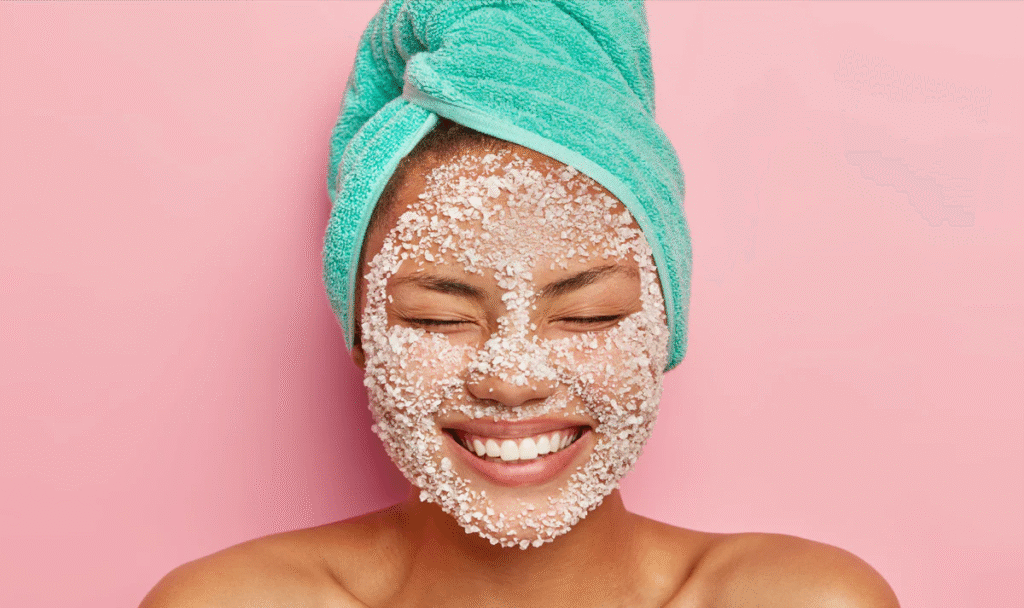
Exfoliation helps remove dead skin cells that naturally accumulate on the surface of the skin. When performed appropriately, exfoliation can improve texture, enhance brightness, and support the absorption of other skincare products.
However, more exfoliation does not necessarily lead to better results. Excessive exfoliation can compromise the skin barrier and cause sensitivity. Finding the right balance is essential for maintaining healthy skin.
Modern exfoliating products are available in various strengths and formulations, allowing consumers to select options that suit their skin type and goals. Gentle, consistent exfoliation often produces the best long-term outcomes.
As with all aspects of skincare, moderation remains key.
Skincare and Lifestyle Are Closely Connected
Skincare products play an important role in maintaining healthy skin, but lifestyle factors also have a significant impact. Sleep quality, nutrition, hydration, stress management, and physical activity all influence the condition of the skin.
Chronic stress can contribute to various skin concerns, while inadequate sleep may affect the skin’s ability to recover and repair itself. A balanced diet rich in nutrients supports overall health and may positively influence skin appearance.
Drinking sufficient water helps maintain hydration levels throughout the body, including the skin. Although skincare products provide external support, internal wellness remains an essential part of achieving a healthy complexion.
The growing connection between wellness and beauty continues to shape skincare trends in 2026.
Common Mistakes to Avoid
Many people unknowingly make skincare mistakes that can limit their results. One common issue is using too many products simultaneously. While it may be tempting to try every new trend, introducing numerous active ingredients at once can lead to irritation and confusion about what is actually working.
Another mistake is inconsistency. Even the best products require regular use over time to produce visible improvements. Frequently switching products may prevent the skin from fully adapting and benefiting from a routine.
Ignoring sunscreen is another common error. Despite growing awareness, some individuals still underestimate the importance of daily sun protection.
Patience is crucial when building a skincare routine. Most products require several weeks of consistent use before meaningful changes become noticeable.
Sustainable Beauty and Skincare
Sustainability remains an important focus within the beauty industry. Consumers are increasingly considering the environmental impact of their purchasing decisions and seeking brands that prioritize responsible practices.
Reusable packaging, recyclable materials, ethical sourcing, and environmentally conscious production methods are becoming more common. Many consumers now evaluate not only product performance but also the values represented by the brands they support.
This shift reflects a broader desire to align personal care choices with environmental responsibility. Sustainable skincare continues to gain momentum as awareness grows worldwide.
Building a Routine That Works for You

The most successful skincare routine is one that fits naturally into your lifestyle. A complicated routine that feels difficult to maintain is less likely to produce lasting results than a simple routine performed consistently.
Start by focusing on the fundamentals: cleansing, moisturizing, and sun protection. As your understanding of your skin grows, additional products can be introduced to address specific concerns.
Consistency, patience, and realistic expectations are essential. Healthy skin develops over time through regular care and informed choices rather than overnight transformations.
Remember that skincare is a personal journey. What works for one individual may not necessarily work for another. Paying attention to your skin’s unique needs and making adjustments accordingly will help create a routine that supports long-term success.
The Future of Skincare in 2026 and Beyond
The skincare industry continues to evolve rapidly. Scientific research, technological innovation, and consumer education are driving the development of increasingly sophisticated products and personalized solutions.
Future skincare trends are expected to focus even more on skin barrier health, preventative care, sustainability, and personalized recommendations. Artificial intelligence and advanced diagnostics may further enhance the ability to create customized routines.
Despite these innovations, the core principles of skincare remain unchanged. Gentle cleansing, proper hydration, sun protection, and consistency continue to form the foundation of healthy skin.
Consumers who focus on these essentials while embracing thoughtful innovation will be well-positioned to achieve their skincare goals in the years ahead.
- Beauty Guide: Ultimate Beauty Hacks & Tips for Your Glow

- Virgin Atlantic 2026: Complete Flights & Travel Guide

- LEGO Downton Abbey: Everything You Need to Know About the Trending Set

Frequently Asked Questions
1.How long does it take to see results from a skincare routine?
Most skincare products require several weeks of consistent use before noticeable improvements appear. Patience and consistency are essential for achieving long-term results.
2.What are the basic steps of a skincare routine?
A basic skincare routine typically includes cleansing, moisturizing, and daily sun protection. Additional products can be added based on individual concerns and goals.
3.Do I need different skincare products for morning and evening?
Some products are better suited for specific times of day. Morning routines often focus on protection and hydration, while evening routines may include treatments and repair-focused products.
4.Is sunscreen necessary every day?
Yes. Daily sunscreen use helps protect the skin from ultraviolet damage, which can contribute to premature aging and other long-term skin concerns.
5.How do I know my skin type?
Your skin type can often be identified by observing how it behaves throughout the day. Factors such as oil production, dryness, sensitivity, and overall comfort provide useful clues.