
We have all been there: staring at a shelf full of beauty products, wondering why the routine that made our skin glow last year is suddenly causing breakouts or dry patches today.
Here is the truth: your skin is a living, changing organ. The routine you loved in your teens won’t do the same job in your twenties, thirties, or beyond. Lifestyle, hormones, stress, and the weather all play a huge part in how your skin behaves.
Instead of chasing every viral skincare trend, the secret to glowing skin is surprisingly simple: listen to your skin, keep it simple, and stay consistent.
How Your Skincare Needs Change Over Time

Your skin goes through different phases just like you do. Understanding what your skin needs at each stage of life is the best way to keep it happy.
The Teenage Years: Managing Oil and Breakouts
During your teens, hormones are highly active, which often leads to excess oil (sebum) and clogged pores.
- The Goal: Keep it clean and balanced.
- The Strategy: Focus on a gentle cleanser, a lightweight oil-free moisturizer, and targeted spot treatments. Avoid the temptation to scrub your face too hard—this only makes irritation worse.
Your Twenties: Prevention and Hydration
In your twenties, your skin is generally at its peak. However, this is the perfect time to start protecting it for the future.
- The Goal: Keep hydration high and prevent early damage.
- The Strategy: Wear sunscreen every single day (no exceptions!) and introduce a gentle antioxidant serum, like Vitamin C, to protect against pollution.
Your Thirties and Forties: Boosting Glow and Elasticity
This is when you might start noticing fine lines, slight unevenness, or a loss of that bouncy feeling. Collagen production naturally slows down, and skin doesn’t bounce back quite as fast.
- The Goal: Support skin renewal and lock in moisture.
- The Strategy: Look for nourishing ingredients like Retinol (to speed up cell renewal) and Hyaluronic Acid (to plump up the skin with moisture).
Mature Skin: Deep Moisture and Gentle Care
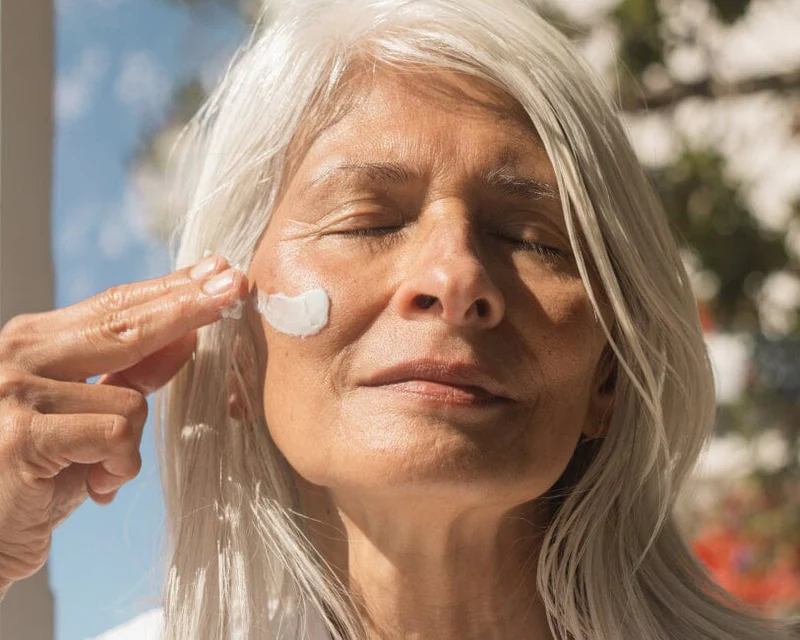
As the years go by, the skin produces less natural oil, making dryness a primary concern.
The Goal: Restore comfort and strengthen the skin.
The Strategy: Swap light lotions for rich, comforting creams and use ultra-gentle, non-foaming cleansers that won’t strip away precious moisture.
Consistency Beats Perfection Every Single Time
It is easy to get excited about a new product, try it for three days, and throw it in the drawer when you don’t instantly look like a supermodel. But skincare is a marathon, not a sprint.
A Quick Reality Check: Your skin takes about 28 to 40 days to naturally renew itself. This means most products need at least a month of daily use before you can actually see what they are doing for you.
- Skip the perfection: Missing a night because you were too tired is totally fine. Just get back to it the next morning.
- Small daily habits (like washing your face before bed and wearing sunscreen) will always yield better results than an expensive, 10-step routine you only do once a week.
The Inside-Out Connection: Diet and Hydration

Your skin is a reflection of what is happening inside your body. While topical creams work on the outer layers, your diet builds your skin from the inside.
- The Good Stuff: Foods packed with healthy fats (like avocados, nuts, and salmon) and antioxidants (like berries and leafy greens) give your skin the building blocks it needs to repair itself.
- The Triggers: Eating lots of highly processed foods and sugar can trigger inflammation, which often shows up as breakouts or puffiness.
- The Water Myth: Drinking water is incredibly important for your overall health, but it won’t instantly cure dry skin on its own. Think of water as the foundation, and your moisturizer as the seal that locks it all in.
Beauty Sleep is Real (And It’s Free)
There is a reason your skin looks radiant after a solid eight hours of sleep. While you snooze, your body goes into overdrive to repair the damage done during the day.
- Cell Repair: Your body boosts blood flow to the skin, repairing UV damage and rebuilding collagen.
- The Cost of No Sleep: When you skip sleep, your body produces cortisol (the stress hormone), which can lead to dullness, dark circles, and even breakouts.
Seasonal Skincare: Adjusting to the Weather
You wouldn’t wear a heavy winter coat in July, so why put your skin through the same thing? Your routine should shift slightly with the seasons.
| Season | What Your Skin Faces | The Easy Fix |
| Winter | Cold winds, dry air, indoor heating | Swap to a richer, thicker moisturizer and skip harsh scrubs. |
| Summer | Humidity, heat, sweat, heavy sun | Use a lightweight gel moisturizer and apply (and reapply) sunscreen. |
Guard Your Skin Barrier at All Costs
The skin barrier is the outermost layer of your skin. Think of it as a protective shield that keeps moisture in and harmful bacteria, pollution, and irritants out.
When your barrier is healthy, your skin looks smooth, plump, and clear. When it is damaged, your skin will feel tight, red, itchy, or start breaking out unexpectedly.

How to protect your barrier:
- Don’t over-exfoliate: Using harsh scrubs or mixing too many active acids (like salicylic acid, glycolic acid, and retinol all at once) will strip your shield away.
- Keep it gentle: If a product makes your skin burn or peel, stop using it.
- Back to basics: If your skin is irritated, strip your routine down to just a gentle cleanser, a basic moisturizer, and sunscreen until it heals.
Debunking Popular Skincare Myths

Let’s bust a few common myths that might be holding you back from your best skin:
- Myth 1: “Oily skin doesn’t need moisturizer.”
- The Truth: If you don’t moisturize oily skin, it actually dries out. Your skin reacts by producing even more oil to compensate. Stick to a light, water-based gel moisturizer.
- Myth 2: “The more expensive a product is, the better it works.”
- The Truth: Formulations matter, but price tags often reflect marketing and packaging. Excellent, dermatologist-approved ingredients can be found at very budget-friendly prices.
- Myth 3: “If it tingles, it means it’s working!”
- The Truth: A strong tingle or burning sensation is usually a sign of irritation, not efficacy. Skincare should feel soothing, not painful.
Frequently Asked Questions
1.What is the correct order to apply skincare products?
Keep it simple! The general rule of thumb is to apply products from thinnest to thickest consistency:
- Morning: Cleanser $\rightarrow$ Toner/Serum $\rightarrow$ Moisturizer $\rightarrow$ Sunscreen.
- Night: Cleanser $\rightarrow$ Treatment/Serum $\rightarrow$ Eye Cream $\rightarrow$ Night Moisturizer.
2.Can I use the exact same products every day?
Absolutely. In fact, your skin prefers consistency. Daily essentials like your cleanser, moisturizer, and sunscreen should stay the same. You only need to rotate active treatments (like exfoliating acids or retinols) a few times a week depending on your skin’s tolerance.
3.How long does it take to see if a product is working?
For hydration and brightness, you might see a difference in a few days. For deeper concerns like acne, dark spots, or fine lines, expect to wait 4 to 6 weeks of daily use to see real, lasting changes.
4.Do men and women need different skincare products?
Not at all. Skin is skin. While male skin can sometimes be slightly thicker or oilier due to testosterone, the actual ingredients needed to treat dryness, acne, or aging are exactly the same. Buy products based on your skin type, not the gender on the label.
5.Is “natural” or “organic” skincare always better?
Not necessarily. Natural ingredients (like essential oils) can actually be highly irritating to sensitive skin. On the flip side, many lab-created ingredients are safe, stable, and highly effective. Look for what works for your skin type, rather than relying on marketing buzzwords.