
Fashion changes with the seasons, but true style stays timeless. Every season brings different weather, colors, fabrics, and fashion trends that influence how people dress and express themselves. From light and breezy summer outfits to cozy winter layers, seasonal fashion allows people to refresh their wardrobes and adapt their personal style throughout the year. However, many people struggle to keep up with changing trends or feel unsure about how to dress stylishly while staying comfortable in different weather conditions.
The good news is that seasonal fashion does not have to be complicated or expensive. Looking fashionable in every season is less about constantly buying new clothes and more about understanding how to style outfits smartly, choose versatile pieces, and dress according to both comfort and personality. Fashion works best when it feels natural and wearable rather than forced or overwhelming.
Every season has its own beauty and fashion identity. Spring feels fresh and playful, summer embraces simplicity and comfort, autumn focuses on rich textures and layering, while winter brings elegant and cozy styles. Understanding how to adapt your wardrobe for each season can help you feel more confident, stylish, and comfortable all year long.
Understanding the Importance of Seasonal Fashion
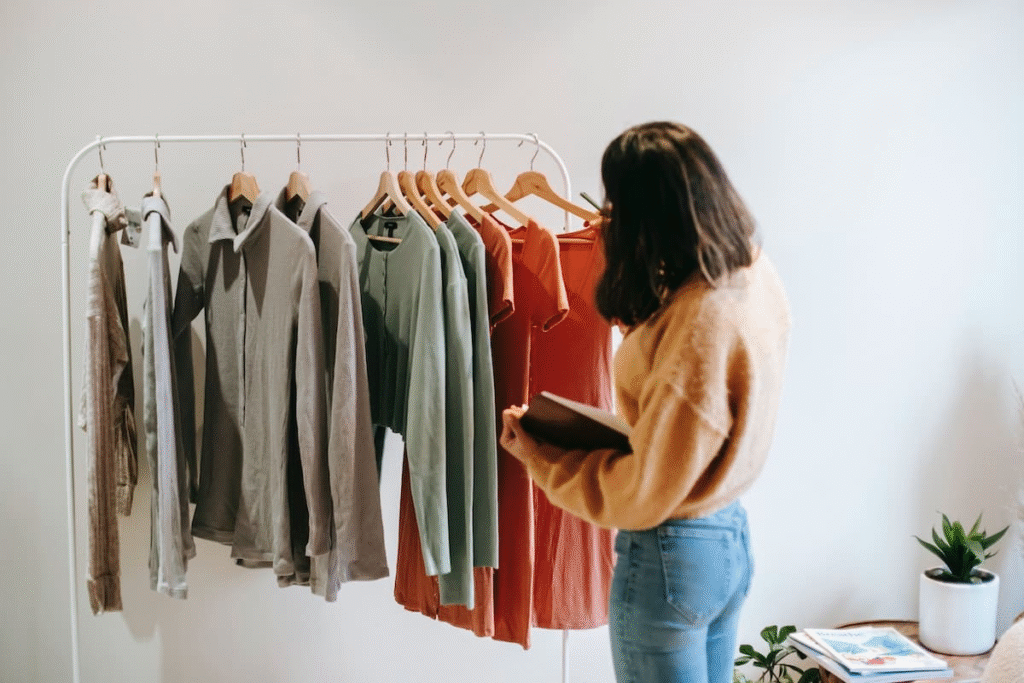
Seasonal fashion is not only about following trends. It also involves practicality, comfort, and self-expression. Weather conditions affect the types of fabrics, colors, and outfit combinations that work best throughout the year.
Dressing appropriately for each season helps improve comfort while still allowing room for creativity and style. Lightweight fabrics work better during hot temperatures, while layered clothing becomes essential in colder months. Seasonal dressing also helps people make better use of their wardrobes by rotating pieces throughout the year.
Fashion trends often change seasonally because designers and brands respond to weather, cultural influences, and consumer preferences. However, personal style should remain consistent even when adapting to different seasonal trends.
The goal of seasonal fashion is not to completely reinvent your wardrobe every few months. Instead, it is about learning how to combine timeless basics with seasonal pieces to create stylish and practical outfits.
Building a Strong Fashion Foundation
Before focusing on specific seasons, it is important to build a wardrobe foundation that works year-round. Many people spend money on trendy items that quickly go out of style, leaving closets full of clothes but few practical outfit options.
A strong wardrobe foundation includes timeless basics that can be styled differently throughout every season. Neutral tops, quality denim, comfortable footwear, versatile jackets, and simple accessories create endless outfit possibilities.
Classic clothing pieces remain fashionable regardless of changing trends because they are easy to combine with seasonal styles. A well-fitted white shirt, black trousers, denim jeans, neutral sneakers, or a structured blazer can work in almost every season with slight adjustments.
Investing in quality basics also helps reduce unnecessary shopping while creating a more polished and organized wardrobe.
Spring Fashion Tips for Fresh and Light Styling
Spring fashion represents renewal and freshness. After heavy winter clothing, people often enjoy wearing lighter fabrics, softer colors, and more relaxed outfit combinations.
One of the most important elements of spring fashion is layering. Spring weather can change quickly, with cool mornings and warmer afternoons. Lightweight jackets, denim layers, cardigans, and oversized shirts help create stylish and practical spring outfits.
Soft pastel shades and earthy tones often dominate spring fashion because they reflect the season’s natural atmosphere. Colors like blush pink, mint green, lavender, cream, sky blue, and beige create fresh and elegant looks.
Floral patterns also become popular during spring because they add vibrancy and seasonal charm. However, floral fashion does not need to feel overwhelming. Small floral details or subtle prints can look sophisticated and modern.
Breathable fabrics such as cotton and linen work especially well during spring because they feel comfortable while maintaining a polished appearance. Spring fashion is also the perfect time to experiment with casual layering and effortless outfit combinations.
Summer Fashion Tips for Staying Cool and Stylish
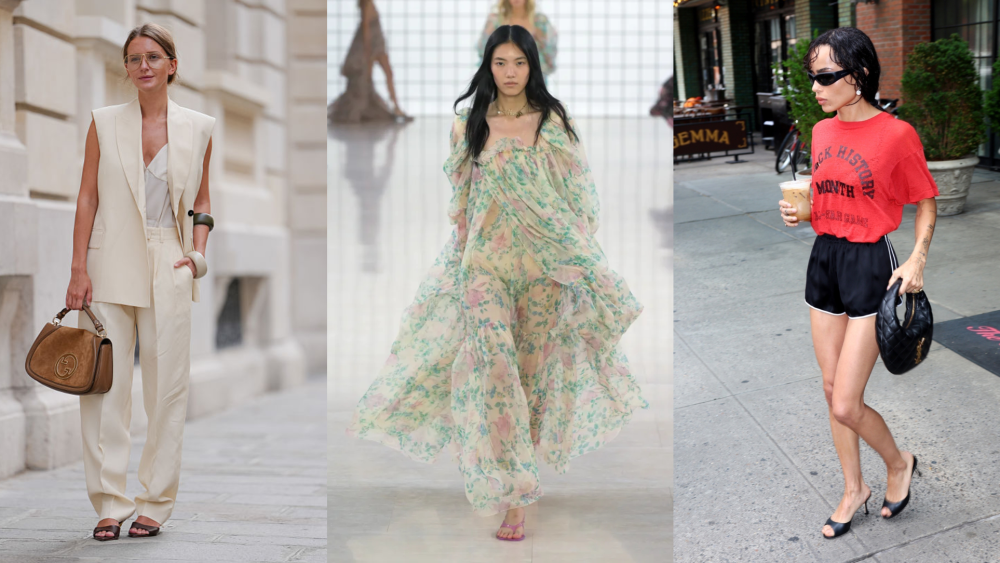
Summer fashion focuses heavily on comfort, simplicity, and breathable clothing. Hot temperatures make lightweight fabrics essential for staying comfortable while still looking fashionable.
One of the biggest mistakes people make during summer is sacrificing style completely for comfort. However, stylish summer outfits can still feel light, effortless, and practical.
Loose-fitting clothing works particularly well during summer because it allows better airflow and creates relaxed silhouettes. Linen shirts, flowy dresses, oversized tops, and relaxed trousers create stylish summer looks without feeling restrictive.
White clothing becomes especially popular during summer because it reflects sunlight and creates a fresh appearance. Bright colors, tropical prints, and soft neutral tones also complement the energy of the season beautifully.
Summer accessories play an important role in styling because outfits are usually simpler. Sunglasses, hats, lightweight jewelry, and comfortable sandals help elevate even basic summer clothing.
Footwear should also prioritize comfort during warmer months since people often spend more time outdoors. Breathable sneakers, flat sandals, and lightweight loafers work well for both casual and polished summer outfits.
Autumn Fashion Tips for Layered and Cozy Looks
Autumn is often considered one of the most fashionable seasons because layering becomes more creative and textures become richer. As temperatures begin cooling down, wardrobes shift toward warmer colors and more structured outfits.
Layering is the heart of autumn fashion. Sweaters, jackets, scarves, boots, and coats allow endless outfit combinations while adding depth and sophistication.
Earthy tones dominate autumn fashion because they reflect the changing colors of nature. Shades like brown, camel, burgundy, mustard, olive green, and burnt orange create warmth and elegance.
Textures also become especially important during autumn. Knits, suede, leather, wool, and corduroy add dimension to outfits and make simple clothing combinations look more stylish.
Boots become essential during this season because they are both practical and fashionable. Ankle boots pair beautifully with jeans, dresses, and layered outfits.
Autumn fashion balances comfort with sophistication. Oversized sweaters combined with tailored trousers or structured coats create looks that feel relaxed yet polished.
Winter Fashion Tips for Elegant Cold-Weather Style
Winter fashion often focuses on warmth, but that does not mean style should be ignored. In fact, winter offers excellent opportunities for creating sophisticated and elegant outfits through layering and statement outerwear.
A high-quality coat can completely transform winter fashion. Long wool coats, puffer jackets, trench coats, and tailored outerwear become central pieces during colder months.
Neutral colors are especially popular during winter because they create timeless and refined looks. Black, gray, cream, navy, and beige are easy to layer and always appear stylish.
Layering during winter should focus on both warmth and balance. Instead of wearing bulky pieces together, combine fitted clothing with oversized outerwear for more flattering silhouettes.
Winter accessories also play a major role in seasonal style. Scarves, gloves, beanies, and boots add both warmth and personality to outfits.
Sweaters and knitwear define much of winter fashion. Turtlenecks, chunky knits, and fitted sweaters create cozy and fashionable outfit combinations that remain timeless every year.
Dressing According to Your Personal Style
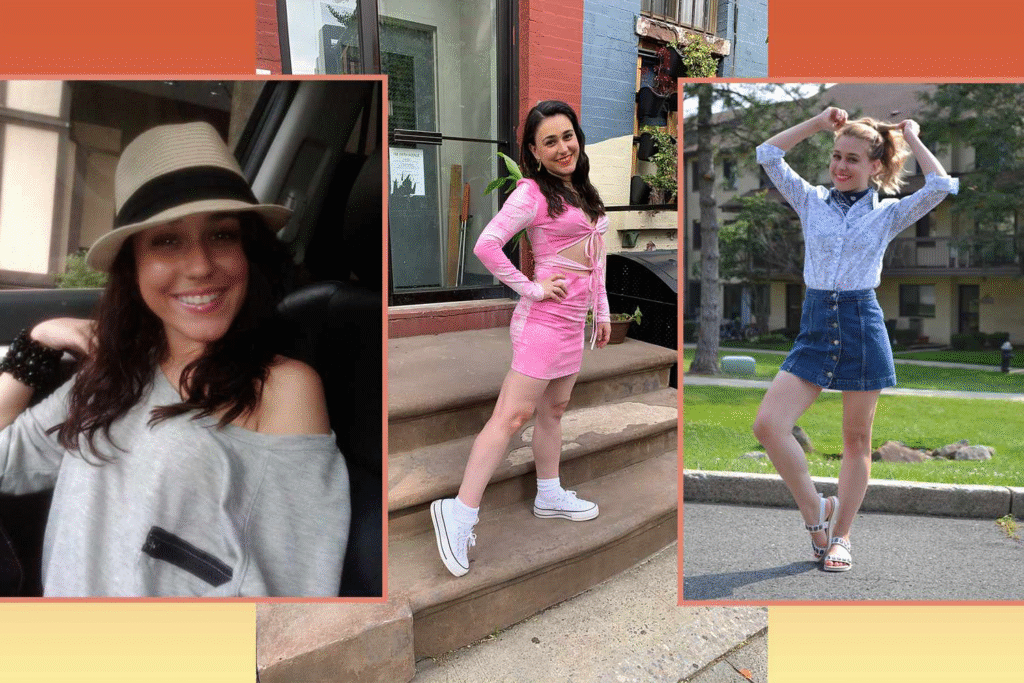
Seasonal trends can provide inspiration, but personal style should always remain the priority. Fashion works best when it reflects your personality and lifestyle rather than blindly following every trend.
Some people prefer minimalist fashion with clean lines and neutral colors, while others enjoy bold prints, statement accessories, or colorful outfits. There is no single correct way to dress stylishly.
Understanding your comfort level and daily lifestyle helps create a wardrobe that feels practical and authentic. Fashion should support confidence rather than create pressure or discomfort.
It is also important to remember that style evolves over time. Experimenting with seasonal trends can help people discover new outfit combinations and refine their personal fashion identity.
The Importance of Fabric Choices in Seasonal Fashion
Fabrics greatly influence both comfort and style throughout different seasons. Choosing appropriate materials helps create outfits that feel good while still looking fashionable.
Lightweight and breathable fabrics such as cotton and linen work best during spring and summer because they help regulate body temperature. These materials feel airy and comfortable in warm weather.
During autumn and winter, thicker fabrics like wool, cashmere, leather, and knitwear provide warmth and texture. Combining different fabrics also adds visual interest and sophistication to outfits.
Understanding fabric quality is equally important. High-quality materials often fit better, last longer, and maintain their appearance over time.
Fashion becomes easier and more comfortable when clothing is selected according to seasonal weather and personal comfort needs.
Accessories That Work Across Every Season
Accessories have the power to transform outfits throughout the year. Even simple clothing combinations can appear polished and stylish with the right accessories.
Bags, belts, sunglasses, jewelry, scarves, and hats help add personality and detail to seasonal fashion looks. Accessories also allow people to experiment with trends without completely changing their wardrobes.
During warmer months, lightweight jewelry, woven bags, and sunglasses create effortless summer style. In colder seasons, scarves, structured bags, leather gloves, and boots add elegance and warmth.
The key is balance. Accessories should complement outfits naturally rather than overpower them. Choosing versatile accessories that work across multiple seasons also helps create a more practical wardrobe.
Seasonal Fashion on a Budget
Looking stylish throughout every season does not require spending large amounts of money. Smart shopping and wardrobe planning can help people stay fashionable without overspending.
One of the best strategies is investing in timeless basics while adding a few seasonal pieces each year. Neutral clothing items can be styled differently with accessories, layering, and trend-inspired details.
Shopping during seasonal sales can also help save money on quality pieces. Buying winter coats at the end of winter or summer clothing during clearance sales often leads to better prices.
Thrift shopping and sustainable fashion have also become increasingly popular. Many secondhand stores offer stylish and unique clothing at affordable prices.
Fashion is more about creativity and confidence than expensive brands. Thoughtful styling often matters more than constantly purchasing new clothing.
Fashion Confidence and Self-Expression
Confidence is one of the most important elements of style. Even the most fashionable outfit loses its impact if the person wearing it feels uncomfortable or insecure.
Fashion should help people express themselves rather than create stress or unrealistic expectations. Social media often promotes perfect fashion images that can make people feel pressured to constantly follow trends.
True style comes from understanding what makes you feel comfortable, confident, and authentic. Wearing clothing that suits your body type, personality, and lifestyle naturally creates a more polished appearance.
Seasonal fashion should feel enjoyable rather than exhausting. Experimenting with colors, layers, and outfit combinations can be a creative form of self-expression.
Creating a Timeless Seasonal Wardrobe
A timeless wardrobe balances seasonal trends with classic style. Instead of constantly replacing clothing every season, focus on building collections that remain wearable year after year.
Timeless fashion pieces provide flexibility because they adapt easily to changing trends and weather conditions. Seasonal trends can then be added through smaller details such as accessories, shoes, or statement items.
Organizing clothing seasonally also helps make dressing easier and more efficient. Rotating wardrobes based on weather ensures better visibility and reduces clutter.
Fashion trends may continue evolving, but classic style, comfort, and confidence always remain relevant.
Finding Balance Between Comfort and Style

One of the most valuable fashion lessons is realizing that style and comfort can exist together. Many people believe they must choose between looking good and feeling comfortable, but modern fashion allows both.
Choosing the right fit, fabric, and layering techniques helps create outfits that feel practical while still looking polished. Comfortable clothing often improves confidence because people feel more relaxed and natural in what they wear.
Fashion should support everyday life rather than complicate it. Seasonal dressing becomes much easier when comfort, practicality, and personal style work together naturally.
FAQs
1What is seasonal fashion?
Seasonal fashion refers to clothing styles, fabrics, colors, and outfit choices that suit different weather conditions and fashion trends throughout the year.
2.Why is layering important in seasonal fashion?
Layering adds warmth, versatility, and style to outfits, especially during spring, autumn, and winter.
3.Which fabrics are best for summer fashion?
Lightweight and breathable fabrics like cotton and linen are ideal for staying cool and comfortable during summer.
4.How can I stay stylish during winter?
You can stay stylish during winter by using layered outfits, quality coats, knitwear, scarves, and fashionable boots.
5.What colors work best for autumn fashion?
Earthy tones such as brown, mustard, olive green, burgundy, and camel are popular during autumn.