
Luxury fashion has always been associated with elegance, exclusivity, and timeless appeal. Among the many famous names in the fashion world, Gucci continues to stand out as one of the most influential and recognizable luxury brands globally. From iconic handbags and stylish footwear to bold runway collections and celebrity collaborations, Gucci has managed to remain relevant through decades of changing fashion trends. While many luxury brands struggle to connect with younger audiences or adapt to modern consumer behavior, Gucci continues to dominate the industry with confidence and creativity.
The brand’s success is not based on just one factor. Gucci combines heritage, innovation, marketing brilliance, and cultural influence in a way that keeps consumers fascinated year after year. Whether someone is deeply involved in fashion or simply enjoys luxury products, Gucci has become a symbol of status, individuality, and modern style. Its ability to reinvent itself while staying connected to its roots is one of the biggest reasons why it continues to lead the luxury fashion industry.
The Rich History Behind Gucci’s Global Success
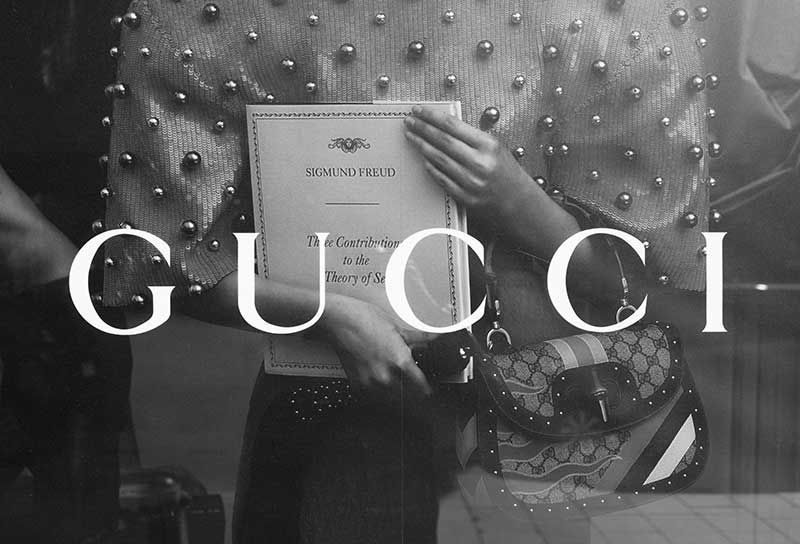
One of the strongest foundations of Gucci’s success is its rich history. Founded in Florence, Italy, in 1921 by Guccio Gucci, the brand originally focused on high-quality leather goods and travel accessories. Inspired by luxury luggage used by wealthy travelers, Guccio Gucci wanted to create products that reflected sophistication and craftsmanship.
Over time, Gucci expanded its collections to include handbags, shoes, clothing, jewelry, and accessories. The brand quickly became associated with luxury and elegance. Its signature details, including the double-G logo and green-red-green stripe design, became instantly recognizable symbols of high fashion.
What makes Gucci special is its ability to honor its heritage while continuously evolving. Many luxury brands rely only on tradition, but Gucci balances history with innovation. This mix allows the brand to attract both loyal customers and younger generations looking for modern luxury fashion.
Gucci’s Ability to Reinvent Fashion Trends
Fashion trends constantly change, and staying relevant in such a competitive industry is not easy. Gucci has remained successful because it understands how to reinvent itself without losing its identity.
The brand became especially influential during the creative direction of Alessandro Michele, who introduced bold, artistic, and unconventional designs that transformed Gucci into a global fashion powerhouse once again. His approach mixed vintage inspiration with modern creativity, attracting younger audiences who appreciated self-expression and individuality.
Gucci collections often include vibrant colors, oversized silhouettes, floral prints, retro aesthetics, and gender-fluid fashion elements. Instead of following trends created by others, Gucci frequently sets the trends that other brands later adopt.
This willingness to experiment has helped Gucci stay fresh and exciting. Consumers are constantly looking for something unique, and Gucci delivers designs that feel luxurious yet culturally relevant.
Celebrity Influence and Pop Culture Power
Another major reason why Gucci dominates luxury fashion is its strong connection with celebrities and pop culture. Famous actors, musicians, athletes, influencers, and social media personalities regularly wear Gucci products at public events, award shows, concerts, and fashion campaigns.
Celebrities have a huge influence on consumer behavior, especially among younger audiences. When people see their favorite stars wearing Gucci, the brand becomes even more desirable. Gucci understands this influence and strategically collaborates with well-known public figures to maintain cultural relevance.
Social media platforms have amplified this effect even further. Gucci products are constantly featured in Instagram posts, TikTok videos, YouTube content, and celebrity street-style photography. This online visibility keeps the brand in front of millions of consumers daily.
The brand’s collaborations with musicians, gaming platforms, and entertainment companies have also helped it connect with modern digital culture. Gucci is no longer seen as a traditional luxury brand limited to elite fashion circles. Instead, it has become part of mainstream global culture while still maintaining exclusivity.
The Power of Gucci’s Iconic Products
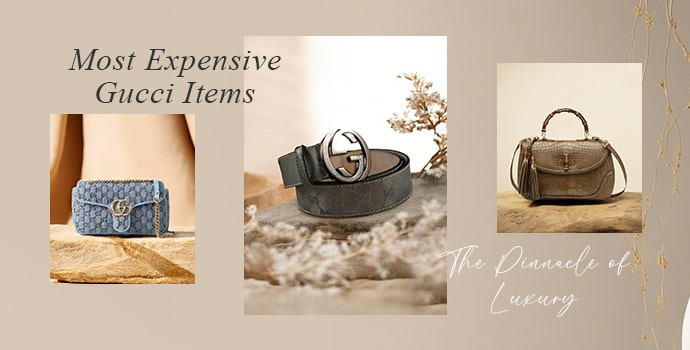
Certain luxury products become timeless symbols of status and style, and Gucci has created many iconic items that continue to remain popular across generations.
Gucci handbags are among the brand’s most recognizable products. Styles like the Marmont, Jackie, Dionysus, and Bamboo bags have become fashion staples for luxury lovers worldwide. These bags combine premium craftsmanship with stylish design, making them highly desirable.
Gucci sneakers and loafers have also become incredibly popular, especially among younger consumers interested in luxury streetwear. The brand successfully merged high fashion with casual everyday style, helping luxury fashion feel more wearable and modern.
Accessories such as belts, sunglasses, scarves, and jewelry further contribute to Gucci’s popularity. Many consumers purchase smaller luxury items as entry points into the luxury market, and Gucci offers products that balance accessibility with exclusivity.
The iconic Gucci logo itself has become a fashion statement. Unlike some luxury brands that focus on subtle branding, Gucci embraces visible logos and signature patterns, allowing customers to showcase their connection with the brand confidently.
Gucci’s Strong Digital and Marketing Strategy
Modern luxury brands cannot rely only on physical stores and traditional advertising. Gucci has become one of the most digitally advanced luxury fashion companies in the world.
The brand invests heavily in social media marketing, online campaigns, and digital storytelling. Gucci creates visually stunning content that captures attention and encourages online engagement. Its marketing campaigns often feel artistic, cinematic, and culturally relevant rather than overly commercial.
Gucci was also one of the early luxury brands to fully embrace e-commerce. Today, consumers can explore collections, shop online, and interact with the brand digitally from almost anywhere in the world.
The company understands the importance of reaching younger generations through modern platforms. Instead of resisting digital trends, Gucci actively participates in them. From gaming collaborations to virtual fashion experiences, the brand continuously explores new ways to stay connected with consumers.
This digital-first mindset has helped Gucci remain ahead of many competitors in the luxury industry.
The Rise of Luxury Streetwear

One of the biggest fashion shifts in recent years has been the rise of luxury streetwear. Consumers increasingly want clothing that feels stylish, comfortable, and wearable in daily life. Gucci successfully adapted to this trend by blending luxury craftsmanship with casual fashion elements.
Oversized hoodies, sneakers, graphic t-shirts, and logo-heavy designs became central parts of modern fashion culture. Gucci embraced these changes early, making the brand especially popular among younger shoppers.
Streetwear also helped luxury fashion become less formal and more expressive. People today often mix designer products with casual outfits, creating unique personal styles. Gucci’s bold and creative approach fits perfectly into this modern fashion movement.
The brand’s influence on streetwear culture has expanded its audience beyond traditional luxury consumers. Students, creators, influencers, musicians, and young professionals now see Gucci as both fashionable and culturally relevant.
Sustainability and Ethical Fashion Efforts
Consumers today care more about sustainability and ethical business practices than ever before. Luxury brands are under increasing pressure to reduce environmental impact and improve transparency.
Gucci has taken steps toward sustainability by investing in eco-friendly initiatives and responsible production methods. The company has introduced carbon reduction goals, sustainable materials, and environmentally conscious packaging solutions.
The brand also supports programs focused on diversity, inclusion, and social responsibility. While luxury fashion still faces criticism regarding sustainability challenges, Gucci’s willingness to address these concerns helps strengthen its modern image.
Younger consumers especially appreciate brands that align with their values. Sustainability is no longer optional in the fashion industry, and Gucci understands the importance of evolving alongside consumer expectations.
The Emotional Appeal of Luxury Fashion
Luxury fashion is not only about clothing or accessories. It is also about emotion, identity, and aspiration. Gucci has mastered the art of making consumers feel connected to the brand on a deeper level.
Owning a Gucci product often represents success, confidence, and self-expression. People buy luxury fashion not just for practicality but also for the experience and symbolism attached to it.
Gucci campaigns often focus on storytelling, creativity, and individuality rather than simply selling products. This emotional connection helps the brand build loyalty among customers who see Gucci as part of their personal style and identity.
Luxury brands that create emotional experiences tend to maintain stronger long-term success, and Gucci excels in this area.
Gucci’s Influence on Global Fashion Culture
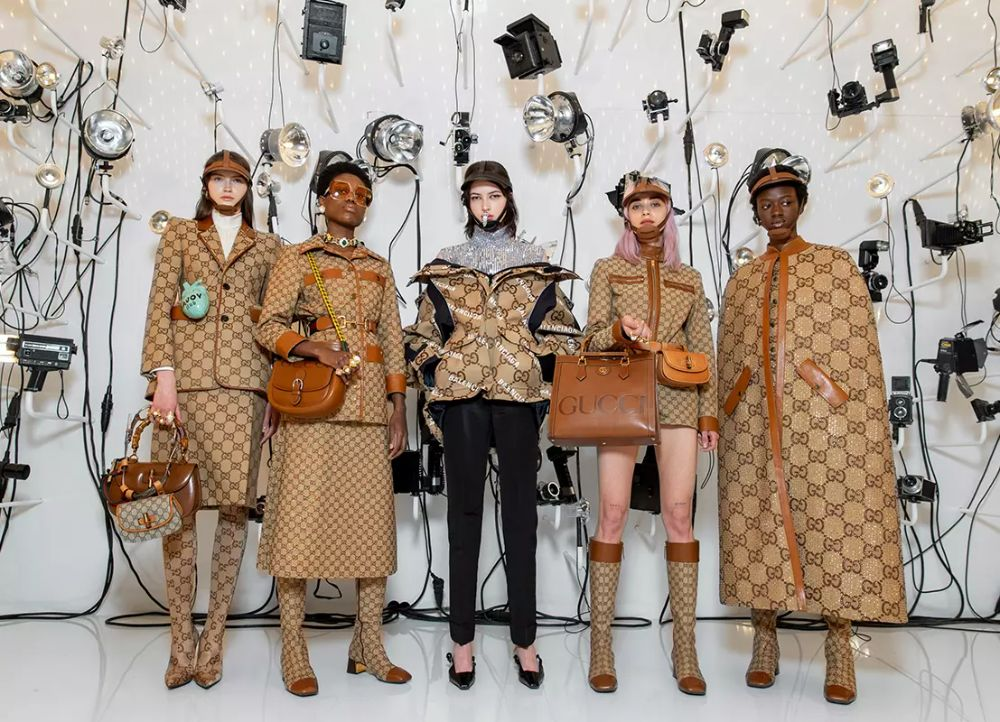
Few brands have influenced global fashion culture as strongly as Gucci. Its runway shows, collaborations, advertising campaigns, and celebrity partnerships consistently shape industry trends.
Fashion magazines, influencers, and social media users regularly discuss Gucci collections and style choices. The brand’s designs often inspire both luxury and fast-fashion companies worldwide.
Gucci also represents the blending of traditional luxury with modern creativity. Instead of staying limited to one style category, the brand moves between vintage elegance, streetwear, maximalism, and artistic experimentation.
This flexibility keeps Gucci culturally important in a constantly changing fashion landscape. It appeals to both classic luxury buyers and trend-focused younger consumers.
The Future of Gucci in the Luxury Industry
The luxury fashion industry continues to evolve rapidly, but Gucci remains well-positioned for future growth. The brand’s strong digital presence, innovative mindset, and global recognition give it a major competitive advantage.
Future trends such as virtual fashion, AI-powered shopping experiences, and sustainable production are likely to shape the industry further. Gucci’s willingness to embrace innovation suggests it will continue adapting successfully to these changes.
Younger generations are also becoming increasingly interested in luxury fashion, especially through social media influence and digital culture. Gucci’s ability to connect with these audiences ensures its continued relevance.
As fashion trends evolve, Gucci’s combination of heritage, creativity, exclusivity, and cultural influence will likely keep it at the forefront of luxury fashion for years to come.
FAQs
1.Why is Gucci considered a luxury brand?
Gucci is considered a luxury brand because of its premium craftsmanship, high-quality materials, iconic designs, exclusivity, and long-standing reputation in the fashion industry.
2.Who founded Gucci?
Guccio Gucci founded Gucci in Florence, Italy, in 1921.
3.Why is Gucci so popular among celebrities?
Celebrities often wear Gucci because the brand represents luxury, creativity, and status. Gucci also collaborates with many public figures and maintains strong visibility in pop culture.
4.What are Gucci’s most famous products?
Some of Gucci’s most famous products include Gucci handbags, loafers, sneakers, belts, sunglasses, and logo-based fashion accessories.
5.How does Gucci stay relevant in modern fashion?
Gucci stays relevant by embracing new trends, using strong digital marketing strategies, collaborating with celebrities, and continuously reinventing its collections.