
The global apparel industry is undergoing its most significant evolution in decades. Sustainable fashion trends in 2026 are completely transforming how clothes are designed, produced, purchased, and discarded.
For years, fast fashion encouraged us to buy cheap, synthetic garments, wear them once or twice, and throw them away. Today, both consumers and fashion brands are realizing that this system is simply unsustainable for our planet.
What Is Sustainable Fashion?

At its core, sustainable fashion refers to clothing, accessories, and production methods that actively minimize ecological damage while upholding ethical labor standards.
Instead of treating clothes as quick, disposable items, the sustainable movement treats clothing as an investment in quality, community, and planetary health.
Key Pillars of Eco-Conscious Clothing:
- Waste Reduction: Transforming old garments into new designs through upcycling, recycling, or second-hand resale platforms.
- Resource Conservation: Switching to organic, plant-based fabrics that require drastically less water, energy, and land.
- Ethical Working Conditions: Ensuring fair living wages, safe facilities, and dignity for garment workers across global supply chains.
- Long-Lasting Durability: Crafting timeless silhouettes using high-grade stitching so items last for years rather than single seasons.
The 11 Biggest Sustainable Fashion Trends in 2026
Data from fashion forecasting tools like Trendalytics shows that searches for eco-friendly clothing are hitting record highs. Here are the 11 key trends reshaping closets and retail stores everywhere:
       1. Circular Resale Markets   ---> Keep clothes in active use longer
       2. Upcycled Fabrics         ---> Transform discarded textiles
       3. Bio-Based Materials      ---> Plant & mushroom-based textiles
       4. Slow Fashion Mindset     ---> Buy fewer, higher-quality items
       5. AI Trend Forecasting     ---> Eliminate factory overproduction
       6. Virtual Try-Ons          ---> Reduce returns and shipping waste
       7. Digital Transparency     ---> Blockchain & product passports
       8. Recycled Collections     ---> Ocean plastics & recycled cotton
       9. Made-to-Order Clothing   ---> Zero-waste custom tailoring
      10. Low-Impact Dyes          ---> Non-toxic plant & clay pigments
      11. Regenerative Agriculture ---> Farming that heals the soil
1. Circular Fashion & Resale Marketplaces
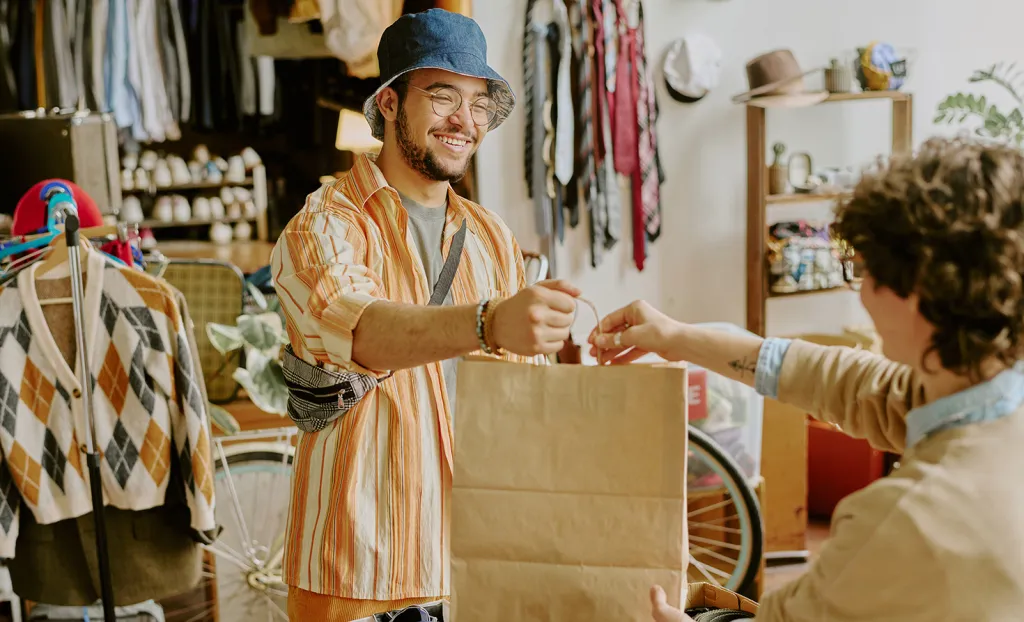
Circular fashion keeps clothing in active use for as long as possible. Instead of throwing old outfits into the trash, shoppers are turning to peer-to-peer resale apps, clothing rental subscriptions, and brand take-back programs.
Major labels are actively building trade-in ecosystems:
- Patagonia’s Worn Wear: Customers return used gear in exchange for store credit.
- MUD Jeans: Users rent organic denim and return worn-out pairs to be shredded into new jeans.
- H&M and Zara: Offer in-store collection boxes to ensure old textiles stay out of municipal landfills.
2. Upcycled and Regenerated Fabrics
Upcycling takes existing, discarded textiles and transforms them into fresh, stylish designs without needing to break them down chemically.
Brands like Reformation lead this space by sourcing vintage dresses and leftover factory deadstock. Similarly, ELV Denim takes secondhand jeans destined for the trash and remakes them into sleek, zero-waste outerwear and trousers.
3. Bio-Based and Next-Gen Materials
The industry is moving beyond standard polyester and water-intensive conventional cotton. Instead, modern apparel relies on innovative plant-based textiles:
- Mushroom Leather (Mycelium): Lab-grown root structures that mimic the feel of traditional leather without animal harm.
- Algae Textiles & Hemp: Extremely fast-growing plants that need minimal pesticides and very little groundwater.
- Tencel & Lyocell: Made from sustainably harvested wood pulp inside closed-loop manufacturing systems where 99% of processing solvents are captured and reused.
4. Slow Fashion and Mindful Consumption
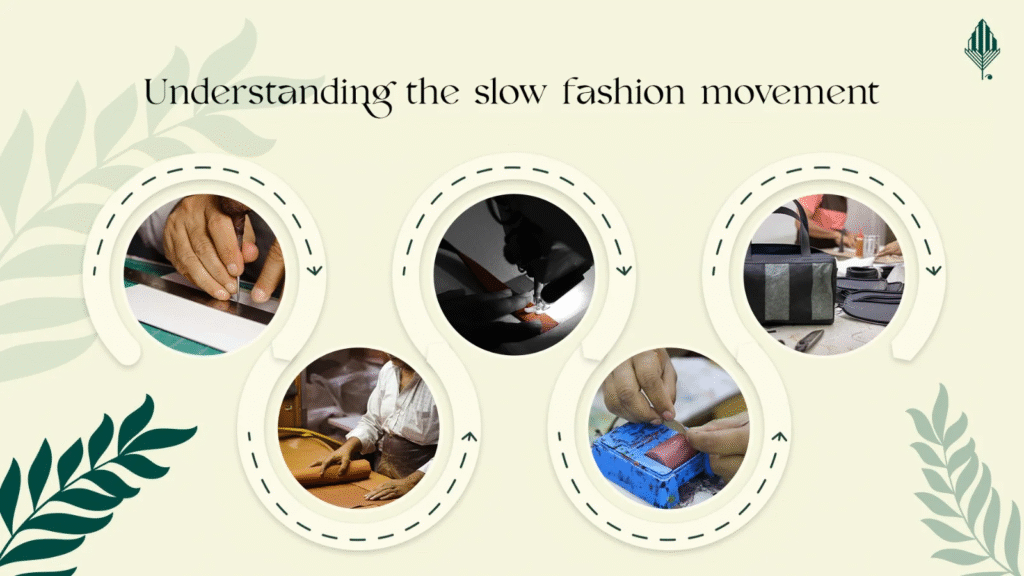
Slow fashion encourages shoppers to curate a “capsule wardrobe”—a tight collection of versatile, high-quality basics that seamlessly pair together. Investing in durable linen trousers, organic hemp shirts, and sturdy jackets reduces the urge to chase fleeting seasonal trends.
5. AI Fashion Trend Forecasting
Overproduction is one of fashion’s dirtiest secrets. Artificial Intelligence toolsets now analyze social media activity, online search volume, and real-time purchasing data to tell brands exactly how many garments to make.
By producing only what customers actually want, brands drastically cut down on unsold inventory and raw fabric waste.
6. Virtual Try-Ons and Smart Textiles
Emerging technologies are making online shopping significantly less wasteful:
- Virtual Try-On Software: Augmented reality allows shoppers to see how a dress or jacket fits their exact body measurements on screen, reducing item returns.
- Adaptable Smart Textiles: Garments infused with flexible sensors regulate temperature and moisture, allowing a single jacket to perform comfortably across multiple seasons.
7. Digital Product Passports & Total Transparency

Modern shoppers want to know precisely where their clothing originated. Using Digital Product Passports (DPPs), QR codes, and blockchain verification, luxury fashion houses like Dior, Prada, and Gucci allow buyers to scan a tag to see the exact farm where raw cotton was harvested, the factory where it was spun, and its full carbon footprint.
8. Recycled Materials in Mainstream Collections
Recycled polyester (made from discarded plastic water bottles), reclaimed ocean plastics, and regenerated cotton are moving into mainstream, everyday retail collections. Reusing existing synthetic fibers cuts energy consumption significantly compared to creating brand-new virgin plastics.
9. On-Demand and Made-to-Order Production

Instead of manufacturing thousands of items upfront and hoping they sell, innovative labels only cut and sew clothes after an order is placed:
- Unspun: Uses custom 3D body scans to weave perfectly fitted jeans on demand.
- Careste: Offers luxury womenswear crafted entirely to order, guaranteeing zero leftover warehouse stock.
10. Low-Impact Dyes and Non-Toxic Finishes
Traditional synthetic dyes often flush heavy metals and toxic chemicals into nearby river systems. Brands like Lucy & Yak are switching to plant-based organic dyes, natural clay pigments, and water-free dying technologies powered by clean wind and solar energy.
11. Regenerative Agriculture & Local Artisans
Regenerative farming practices actively restore soil health, capture atmospheric carbon, and preserve local ecosystems. By pairing regeneratively grown cotton and wool with local artisan craft workers, clothing brands lower shipping fuel emissions while preserving traditional hand-weaving heritage.
The Timeless Sustainability of Indian Handlooms
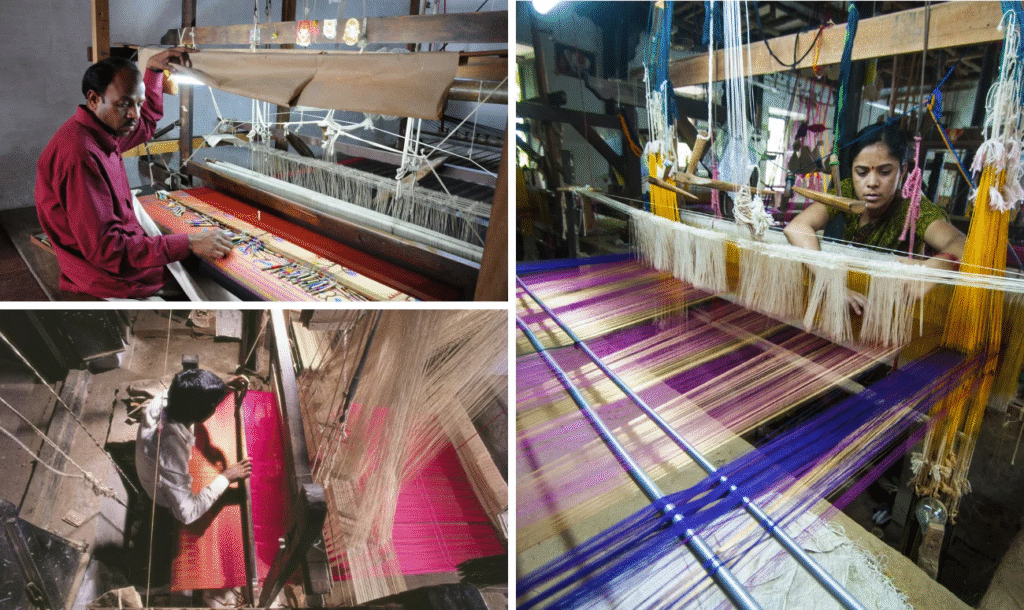
While modern fashion relies heavily on complex machinery, traditional Indian handloom weaving stands out as one of the world’s most naturally sustainable craft models.
Centuries-old textiles like Chanderi, Khadi, Kantha, and Ajrakh block prints offer a blueprint for low-impact clothing:
- Zero Electricity: Handloom weaving relies entirely on manual artisan labor, generating zero factory emissions.
- 100% Biodegradable: Natural cotton, silk, and wool fibers break down harmlessly in soil at the end of their life cycle.
- Cultural Preservation: Supporting handloom weavers provides fair, dignified income directly to rural artisan communities.
| Textile Type | Primary Material | Ecological Advantage |
| Khadi | Hand-spun Cotton / Silk | Zero electricity, ultra-low water footprint |
| Chanderi | Lightweight Silk & Cotton | Natural fibers, durable heirloom quality |
| Ajrakh | Organic Cotton | Dyed using natural vegetable and mineral pigments |
Practical Steps to Build a Sustainable Wardrobe
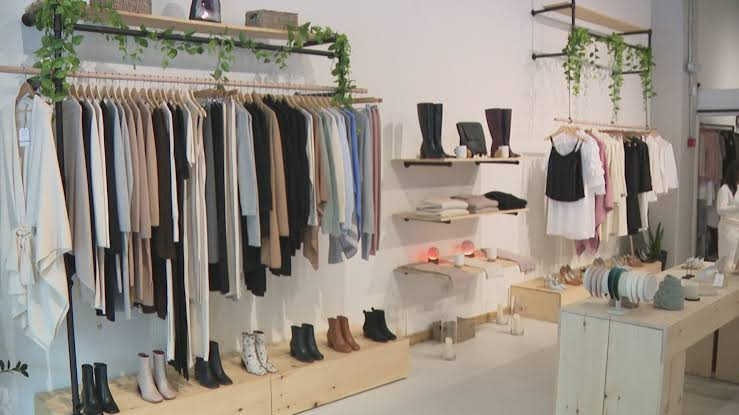
Creating an eco-friendly closet doesn’t require clearing out your entire wardrobe overnight. Here is how to build a thoughtful, stylish wardrobe step-by-step:
1.1. Choose Quality Over Quantity:Prioritize long-lasting quality.
Invest in fewer, well-made garments crafted with strong seams and natural fibers. A single high-grade Khadi shirt or wool blazer will outlast dozens of fast-fashion alternatives.
2.2. Pick Breathable Natural Fabrics:Avoid synthetic polyester blends.
Select 100% organic cotton, linen, silk, or wool. These natural fibers feel comfortable on your skin and decompose naturally without shedding microplastics.
3.3. Support Ethical Artisan Labels:Empower traditional craftspeople.
Purchase garments from brands that source directly from traditional handloom weavers and ethical craft cooperatives, ensuring fair living wages.
4.4. Embrace Classic, Versatile Designs:Focus on timeless silhouettes.
Opt for neutral tones and classic cuts that transcend rapid seasonal trends. Timeless clothing stays stylish year after year, lowering your overall urge to shop.
5.5. Care for Your Clothes Mindfully:Extend the lifespan of what you own.
Wash garments in cool water, air-dry clothes on a line whenever possible, and learn simple mending skills to fix minor tears or dropped buttons.
Environmental Impact: Fast Fashion vs. Sustainable Fashion
| Indicator | Fast Fashion Model | Sustainable & Handloom Model |
| Global Carbon Share | Accounts for roughly 10% of global emissions | Significantly lower due to local sourcing and natural fibers |
| Fabric Degradation | Takes up to 200 years to break down in landfills | 100% biodegradable natural fibers break down cleanly |
| Water Consumption | High chemical usage contaminates local rivers | Closed-loop systems and low-impact dyes preserve water |
| Worker Welfare | Often relies on sweatshops and low wages | Emphasizes ethical labor, fair living wages, and safe conditions |
FAQs
1.What is the primary difference between fast fashion and sustainable fashion?
Fast fashion relies on mass-producing cheap, synthetic clothes designed to be worn a few times and discarded. Sustainable fashion focuses on high-quality materials, fair labor conditions, low-impact production, and timeless durability so clothes last for years.
2.Is living a sustainable lifestyle through fashion expensive?
Not necessarily. While high-quality, ethically made garments often cost more upfront than fast-fashion items, they last much longer, saving you money over time. Additionally, shopping second-hand, buying from resale apps, renting outfits, and simply wearing what you already own are completely affordable ways to participate.
3.Why are natural fibers better for the environment than synthetic fabrics?
Natural fibers like organic cotton, linen, silk, and wool are completely biodegradable and break down naturally without harming the environment. Synthetic fabrics like polyester and nylon are made from petroleum, take centuries to decompose in landfills, and shed harmful microplastics every time they are washed.
4.How does AI technology help make the fashion industry cleaner?
AI tools analyze search queries, social media trends, and past buying habits to predict demand accurately. This allows clothing brands to produce only the exact quantity of garments consumers will actually buy, drastically cutting down on factory overproduction and excess textile waste.
5.How do I start making my wardrobe more eco-friendly today?
The simplest way to start is by taking good care of the clothes you already own! Wash items in cold water, hang them to dry, mend small damages, and pledge to buy fewer, higher-quality pieces whenever you need new additions to your closet.