
If you are currently shopping for a brand-new pair of earbuds, there is some great news and some frustrating news.
- The Great News: You have access to more high-tech options than ever before.
- The Frustrating News: Trying to pick the right pair from hundreds of options can make your head spin.
Remember back when buying a new phone meant opening the box and finding a free pair of wired headphones right inside? Life certainly felt simpler then. You just plugged them in, played your favorite tracks, and moved on with your day. No charging, no syncing, no troubleshooting.
While you can still buy basic wired earbuds that plug straight into a phone jack or adapter, the audio world has undeniably moved on. Today, the market is packed with wireless options that do far more than just play music. Modern wireless earbuds offer powerful active noise cancellation (ANC) to block out the outside world, multi-point Bluetooth pairing so you can switch seamlessly between your phone and laptop, high-resolution audio support, and batteries that last long enough to get you through an entire workday.
To help you cut through the marketing jargon and endless product pages, let’s look at how wireless technology has evolved and compare two of the biggest flagship pairs on the market today: Apple’s AirPods Pro 3 and Sony’s WF-1000XM6.
How Wireless Earbuds Became Essential Everyday Gear
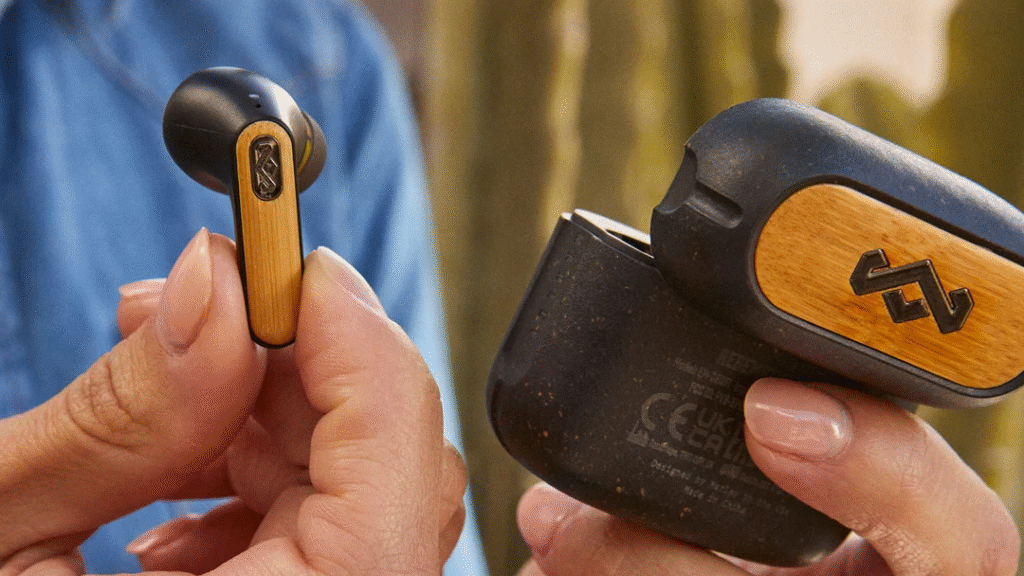
It is fascinating how fast something can go from feeling like a high-tech novelty to becoming an absolute daily necessity.
When true wireless earbuds first hit the scene—meaning earbuds that operate via Bluetooth without a single wire connecting them to each other or your head—a lot of audio fans were skeptical. Early samples often dropped connections, had terrible battery life, and sounded thin and cheap. It was easy to look at them and think, “It’s a neat idea, but the tech just isn’t ready.”
Fast forward to today, and true wireless models are easily the most popular headphone category in the world. For millions of people, popping in a pair of wireless buds has become as routine as brushing their teeth or pouring a morning cup of coffee. Whether you are walking the dog, commuting on a noisy train, focusing at your desk, or doing household chores, wireless earbuds just fit naturally into daily life.
The technology has matured completely. Today’s top models pair with your phone in a fraction of a second, hold a rock-solid Bluetooth connection even in crowded environments, and deliver rich, clear sound with hours of continuous battery power.
Deep-Dive Review: Apple AirPods Pro 3
While Apple wasn’t technically the very first company to launch wire-free headphones, they were the ones who truly brought the concept into the mainstream with the original AirPods. Today, Apple has refined that design even further with the AirPods Pro 3, positioning them as their premier wireless offering.
+-----------------------------------------------------------------------+
|                         APPLE AIRPODS PRO 3                           |
+-----------------------------------------------------------------------+
| Price: ~$249.00                                                       |
| Best For: iPhone & Mac users, fitness lovers, and frequent callers    |
| Battery Life: Up to 8 hours (ANC on) + 24 extra hours in the case     |
| Water Resistance: IP57 (sweatproof and dust-resistant)                |
+-----------------------------------------------------------------------+
Key Features & Daily Performance

- Seamless iOS Integration: Powered by Apple’s upgraded H2 processing chip, these earbuds connect almost instantly to iPhones, iPads, and Macs. You can switch between your devices without having to open your Bluetooth menu every single time.
- Built-in Fitness Tracking: A major addition to the 3rd generation model is a custom-built, in-ear heart rate monitor. It sends live health metrics straight to your iPhone’s Fitness app, making external chest straps or extra fitness bands unnecessary during workouts.
- Top-Tier Noise Cancellation: Apple boosted its active noise cancellation algorithm, allowing these buds to silence low-frequency rumbles like train engines, airplane cabin noise, or office chatter better than earlier generations.
- Crystal-Clear Calls: Dual beam-forming microphones focus specifically on your voice while filtering out background wind and noise, making them exceptionally clear for phone calls and video meetings.
- Upgraded Durability: With an IP57 rating, they offer robust protection against both heavy sweat and dust, making them far better suited for intense gym sessions or outdoor runs than previous iterations.
- Comfort & Fit: The box includes five different sizes of foam-infused silicone ear tips, ensuring you can find a snug seal that stays comfortable over long listening sessions.
Sound Profile & Real-World Considerations
While the noise cancellation and phone call clarity are outstanding, the audio tuning on the AirPods Pro 3 takes a noticeable shift compared to earlier models. Apple opted for a more “V-shaped” sound signature this time around. That means there is extra emphasis on deep, punchy bass and bright, crisp highs.
If you love energetic music for workouts—like hip-hop, EDM, or pop—this extra punch sounds great. However, if you prefer a balanced midrange or listen to a lot of vocal-heavy acoustic tracks, the high frequencies can occasionally feel a bit bright or sharp to sensitive ears. Additionally, while the heart rate sensor is a great health feature, the physical sensor bulge makes the shape slightly different from previous models, which might require tweaking your tip size for a comfortable fit.
Deep-Dive Review: Sony WF-1000XM6
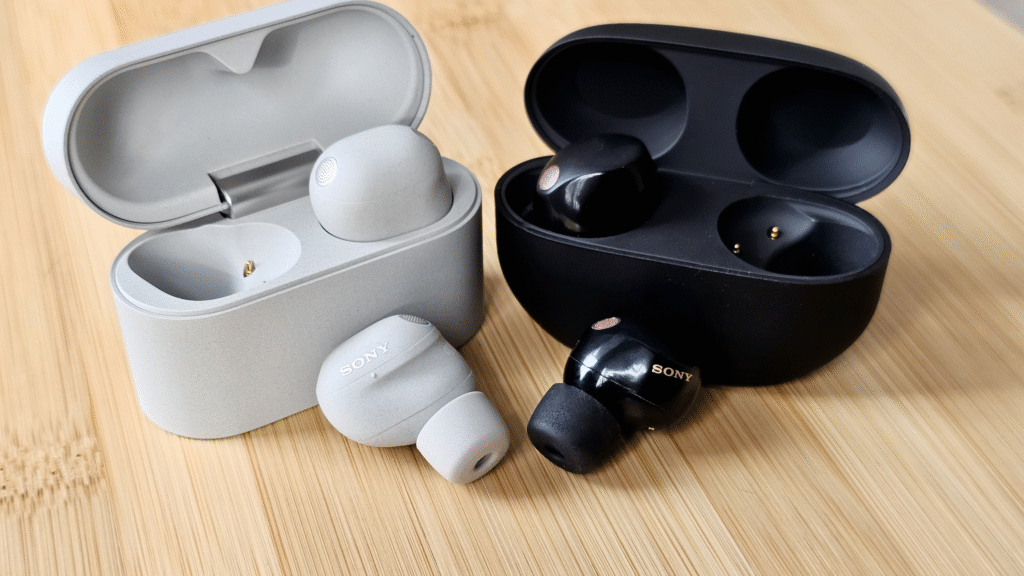
For years, Sony’s flagship “XM” line of wireless earbuds has been recognized as the gold standard for high-fidelity audio and heavy-duty noise cancellation on Android and cross-platform devices. The Sony WF-1000XM6 continues that legacy, stepping up to match the fierce competition from Apple and Bose.
+-----------------------------------------------------------------------+
|                          SONY WF-1000XM6                              |
+-----------------------------------------------------------------------+
| Price: ~$298.00                                                       |
| Best For: Audiophiles, Android users, and customizable sound lovers   |
| Battery Life: Up to 8 hours (ANC on / 12 hrs off) + 16 hrs in case   |
| Water Resistance: IPX4 (splash and sweat-resistant)                   |
+-----------------------------------------------------------------------+
Key Features & Daily Performance
- High-Resolution Streaming: Unlike standard Bluetooth earbuds, the XM6s support high-res codecs like LDAC and LE Audio. If you use a compatible Android device or lossless music service, you can stream significantly more audio detail wirelessly.
- Dual-Chip Processing: Sony equipped these earbuds with two dedicated internal processors and eight total microphones (up from six in the XM5s) to continuously monitor and adjust to surrounding noise in real time.
- Ergonomic Streamlined Design: The casing features a sleek capsule shape designed to follow the natural contours of the inner ear, reducing pressure points during extended wear.
- Smart Ambient Features: Features like “Quick Attention” allow you to lower your music and let in outside voices instantly by holding your finger over the earbud sensor—ideal when ordering a coffee or listening for a flight announcement.
- Ergonomic Foam Tips: Instead of pure silicone, Sony includes four sizes of specialized noise-isolating memory foam ear tips.
Sound Profile & Real-World Considerations
The Sony WF-1000XM6 focuses heavily on rich, natural audio reproduction. The bass is deep without muddying the vocals, and the high frequencies sound smooth rather than harsh or overly sharp.
However, getting the right fit is critical with Sony’s setup. Because these earbuds rely on memory foam tips, taking time to compress the foam and insert them properly into your ear canal makes a massive difference. If the tip is too small or not seated correctly, you lose low-end bass and noise isolation. Testing a size larger than your usual tip size often unlocks the full, rich sound profile these earbuds are built to deliver.
Apple vs. Sony: Head-to-Head Comparison
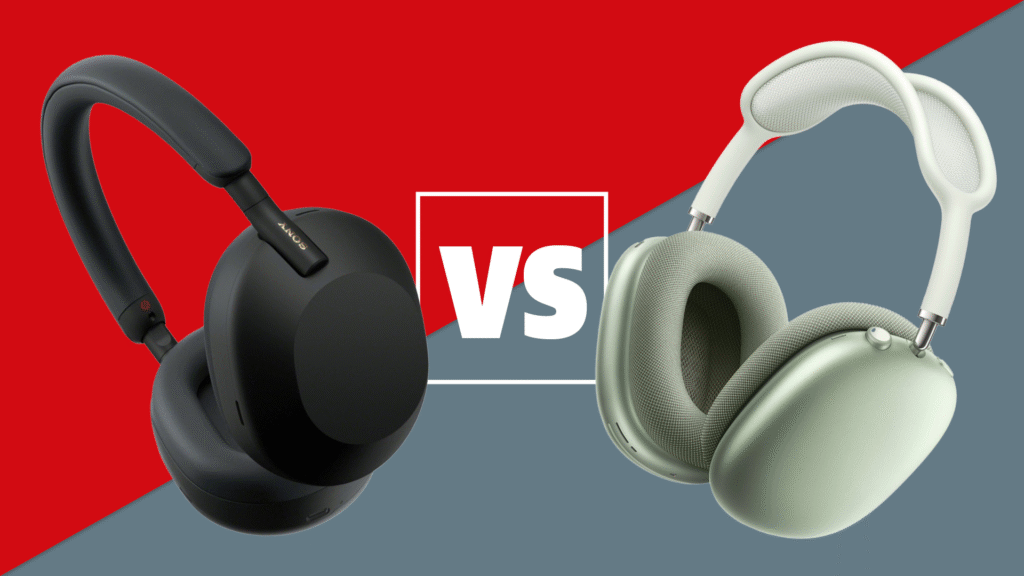
To help you decide which model fits your lifestyle, here is a quick breakdown of how they compare across key categories:
| Feature | Apple AirPods Pro 3 | Sony WF-1000XM6 |
| Price | ~$249.00 | ~$298.00 |
| Best Ecosystem | Apple (iOS / macOS) | Android / Windows / Cross-Platform |
| Fitness Tracking | Built-in Heart Rate Monitor | None |
| Audio Codecs | AAC, Apple Spatial Audio | AAC, LDAC, LE Audio |
| Water Resistance | IP57 (Sweat & Dust resistant) | IPX4 (Splash resistant) |
| Ear Tip Style | Foam-infused Silicone | Compressed Memory Foam |
| Microphones | Dual Beam-forming Mics | 8 Microphones with Dual Processors |
How to Choose the Right Pair for You
When deciding between top-tier earbuds, the choice usually comes down to three simple factors:
Your Smartphone: If you carry an iPhone, the AirPods Pro 3 offer an unmatched software experience, instant device switching, and useful Siri shortcuts. If you use an Android device, Sony’s WF-1000XM6 will grant you access to high-resolution audio codecs (LDAC) and deep EQ customization options through Sony’s companion app.
Primary Use Case: If you plan on using your earbuds primarily during heavy workouts, runs, or trips to the gym, the AirPods Pro 3 hold the advantage with their IP57 durability rating and heart rate sensor. If your main goal is listening to music at your desk, on flights, or during quiet commutes, the warm sound signature and memory foam seal of the Sony XM6s are hard to beat.
Sound Preference: If you like energetic, punchy sound with heavy bass and crisp details, Apple’s tuning will suit you well. If you prefer a balanced, studio-style audio experience where vocal detail and natural instrument balance take center stage, Sony is often the top recommendation among audio enthusiasts.
Frequently Asked Questions
1. Do I need an iPhone to use Apple AirPods Pro 3?
No, AirPods Pro 3 will connect to Android phones, Windows PCs, and other Bluetooth devices just like standard wireless earbuds. However, you will lose out on key features like automatic device switching, spatial audio head-tracking, and integrated health tracking, which rely on Apple’s operating system.
2. What does Active Noise Cancellation (ANC) actually do?
Active Noise Cancellation uses tiny, built-in external microphones to detect incoming ambient sound waves from your environment (like an engine hum or air conditioner fan). The earbud processor then instantly generates an inverse sound wave to “cancel” those unwanted background noises before they reach your eardrums.
3. Can I use just one earbud at a time?
Yes! Both the Apple AirPods Pro 3 and Sony WF-1000XM6 allow you to use either the left or right earbud independently for phone calls or mono audio listening while the other earbud charges in the case.
4. Why is a good ear tip seal so important for wireless earbuds?
An airtight seal inside your ear canal is critical for both audio performance and noise cancellation. If your ear tip is too loose, low-frequency bass sounds escape out of your ear, music ends up sounding thin or flat, and outside noise leaks past the active cancellation system.
5. How long do the batteries in wireless earbuds typically last?
Most modern premium earbuds offer around 6 to 8 hours of continuous audio playback on a single charge with noise cancellation turned on. The included pocket-sized charging case stores additional charges, bringing your total battery life away from a wall outlet to anywhere between 24 and 32 hours.