
India produces a staggering 3.3 million metric tonnes of plastic waste per year. The sheer size of the stat is alarming, but what is even more alarming is that 40% of it is uncollected.
So what happens to all that plastic? It doesn’t go away. It builds up in overflowing landfills, chokes rivers, floats into our oceans and slowly breaks down into microplastics that find their way into the air we breathe, the water we drink and even the food on our dinner plates.
That’s some huge numbers, and it’s totally normal to feel helpless. It’s easy to throw your hands in the air and say, “Does my decision to forego a plastic straw really matter?”
The short answer is yes.
Going sustainable doesn’t mean you have to change your life overnight or move off the grid. It’s not about stringent perfectionism, but about being deliberate and approachable in the choices you make daily, and sticking to them. When millions of ordinary people do small things, over and over again, the cumulative effect is enormous.
Why You Should Switch to Eco-Friendly Products?
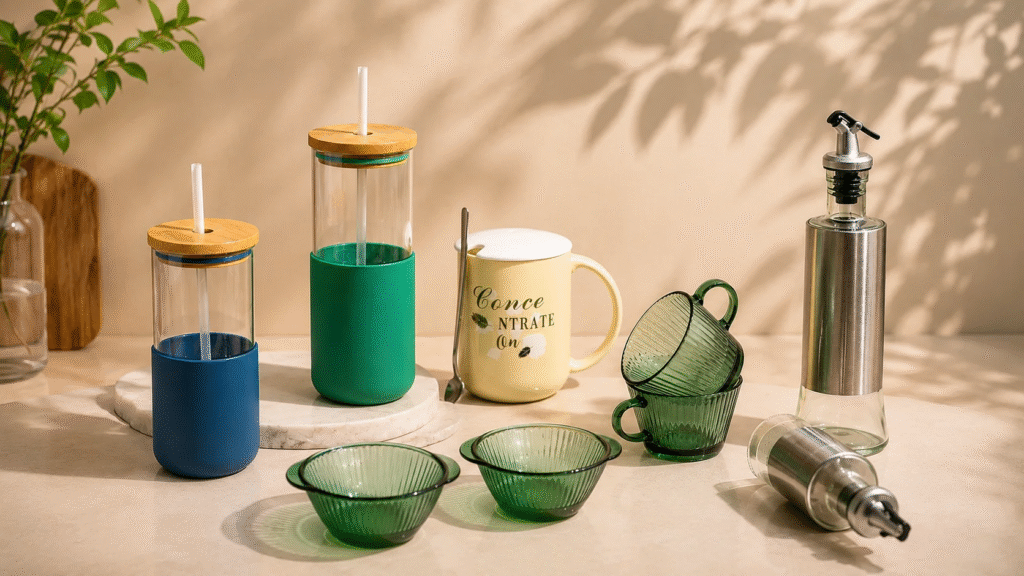
Before we go into specific swaps, it’s useful to understand why changing your daily buying habits makes such a huge difference:
Reducing Your Carbon Footprint Traditional manufacturing relies heavily on fossil fuels, synthetic chemicals and large amounts of energy. Sustainable products use renewable raw materials, low emission shipping and cleaner production processes.
Trash and the Landfill: Conventional plastic shopping bags can take up to 500 years to break down and standard plastic toothbrushes take about 1,000 years. Green alternatives biodegrade in months, or last for years by being reused over and over again.
Protecting Your Health Traditional cleaning sprays and personal care products are often loaded with harsh chemicals, artificial fragrances and synthetic dyes. Natural options provide you and your family a safer, non-toxic living environment.
Vote with your Wallet: Supporting Ethical Businesses When you vote with your wallet, you are sending a clear message to brands. Green alternatives tell companies you care about fair wages, waste-less packaging, and sustainable research & development.
Standard Goods And Eco Friendly Alternatives
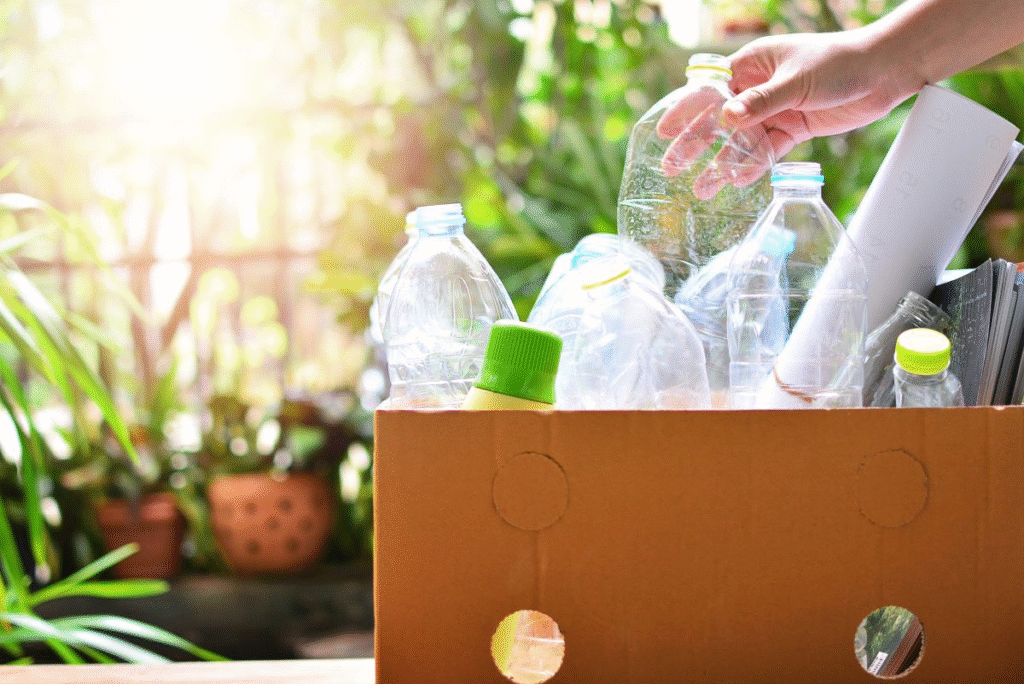
Switching to sustainable options is not only better for the planet, but it is also a cost-saving option in the long run. Here’s how the traditional household products stack up against their eco-friendly alternatives:
| Standard Item | Conventional Impact | Eco-Friendly Alternative | Earth Benefit |
| Plastic Grocery Bag | Takes ~500 years to break down | Organic Cotton Tote Bag | Washable & reusable for years |
| Plastic Toothbrush | Takes ~1,000 years to decompose | Bamboo Toothbrush | Handle decomposes in ~6 months |
| Plastic Cling Wrap | Single-use, non-recyclable | Beeswax Food Wrap | Washable, reusable & compostable |
| Plastic Water Bottle | Major ocean & landfill pollutant | Stainless Steel Bottle | Keeps drinks cold/hot; lasts a lifetime |
| Plastic Garbage Bag | Traps trash for centuries | Compostable Waste Bag | Fully decomposes in ~6 months |
| Paper Towels / Tissues | Drives deforestation; bleached | Bamboo Reusable Towels | Ultra-absorbent, washable & soft |
10 Easy, Everyday Eco-Swaps You Can Make Today
Making the switch to a greener life is much easier when you take it one simple step at a time. Here are ten practical, budget-friendly swaps that drastically cut down your daily waste footprint.
1. Swap Plastic Bags for Organic Cotton Totes
Single-use plastic bags are used for an average of 12 minutes before being tossed away, yet they linger in our ecosystem for centuries. Keep a couple of lightweight organic cotton tote bags or sturdy cloth bags in your car or backpack. Brands like Baggu and Eco-Bags offer durable, stylish, and washable options perfect for daily grocery runs.
2. Switch to Compostable Garbage Bags
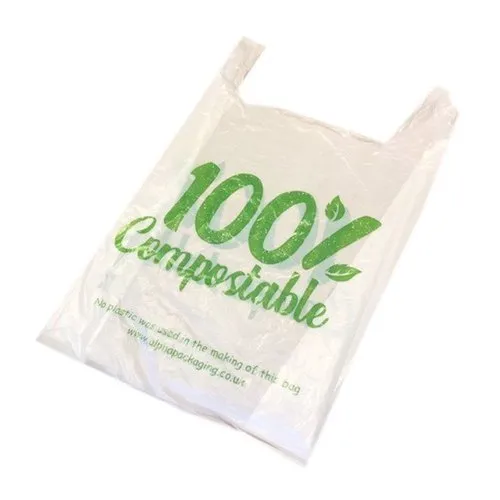
Throwing organic waste inside conventional plastic trash bags defeats the purpose of waste separation because the outer plastic locks everything away for hundreds of years. Compostable garbage bags—such as those from trusted brands like Beco—are engineered to decompose completely in soil within 6 months without leaving behind toxic residue.
3. Carry a Reusable Coffee Cup
Disposable coffee cups might look like simple paper, but almost all of them feature a thin plastic inner lining to prevent leaks, making them nearly impossible to recycle. It takes around 30 years for a single disposable cup to break down! Carrying a durable travel mug ensures your beverage stays hot while saving hundreds of cups from landfills each year.
4. Ditch Paper Towels for Reusable Bamboo Cloths
Cutting down millions of trees every year just to make paper towels used for 5 seconds is incredibly wasteful. Furthermore, chlorine bleaching processes used in standard tissues can irritate sensitive skin. Switching to reusable bamboo kitchen towels or facial tissues gives you a much softer, highly absorbent, and eco-conscious option.
5. Upgrade to a Bamboo Toothbrush
Think about every plastic toothbrush you have ever owned in your life—every single one of them still exists on Earth today. Switching to a bamboo toothbrush (from brands like Brush with Bamboo or Humble Brush) cuts down plastic pollution significantly. Bamboo grows extremely fast without pesticides, and its handle naturally decomposes in compost within months.
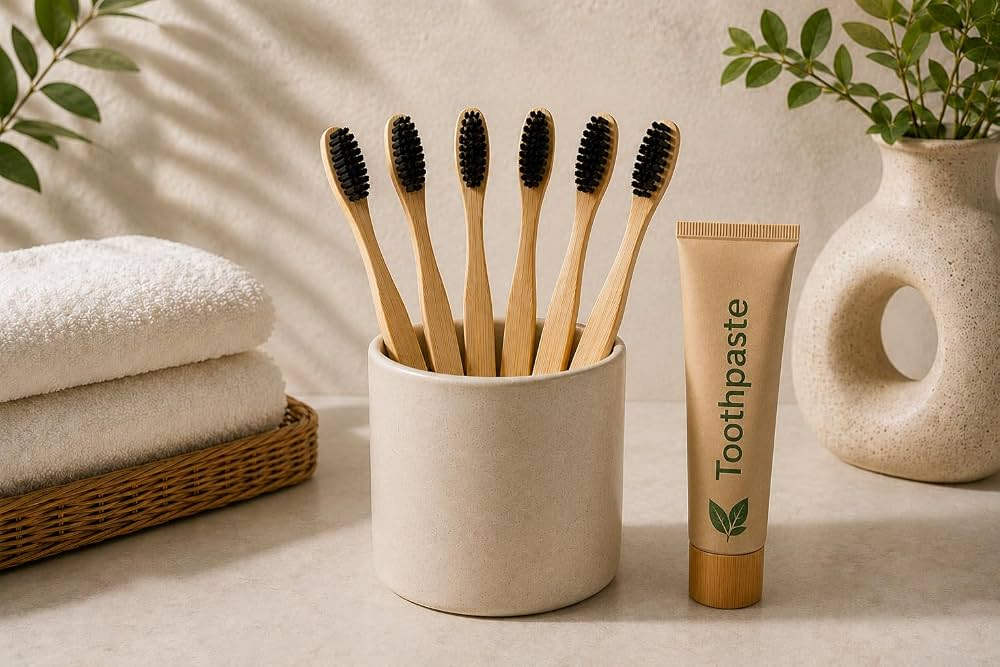
Pro Tip: When your bamboo toothbrush is ready to be retired, simply snap off the bristle head using pliers and throw the wooden handle right into your garden or compost bin!
6. Invest in a Stainless Steel Water Bottle
Plastic beverage bottles are among the most common pollutants found in rivers and oceans. Replacing them with a high-quality stainless steel bottle (from brands like Klean Kanteen or CamelBak) keeps your water icy cold for over 24 hours while keeping hundreds of single-use bottles out of our waterways.
7. Switch to Bamboo Cotton Buds
Tiny plastic items are often the most dangerous for sea creatures, which easily mistake them for food. Swapping out plastic-stemmed ear swabs for bamboo cotton buds ensures that your daily hygiene routine leaves zero plastic footprint behind.
8. Choose Recycled Notebooks & Paper
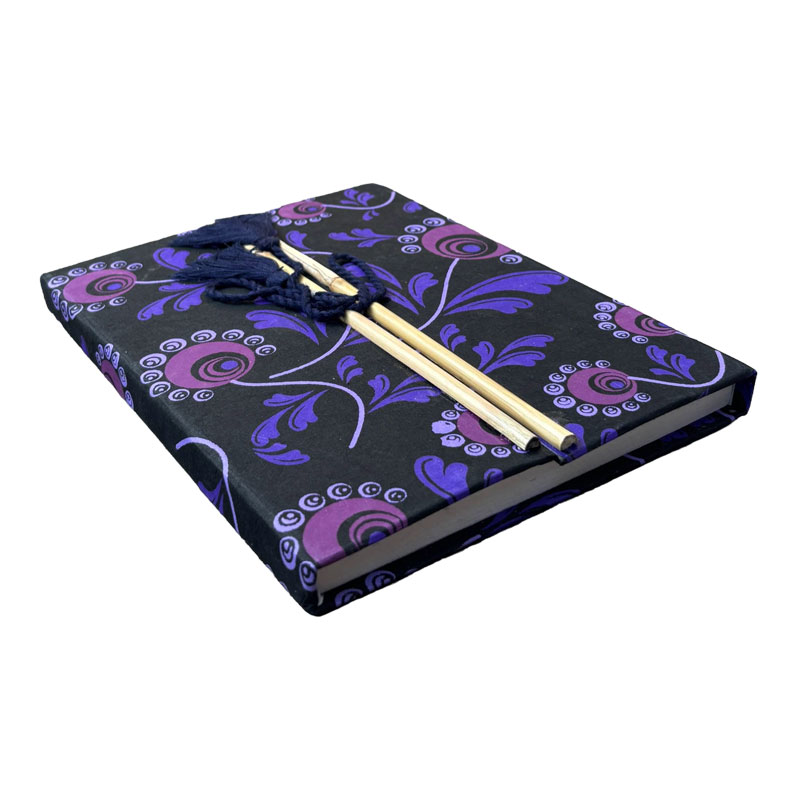
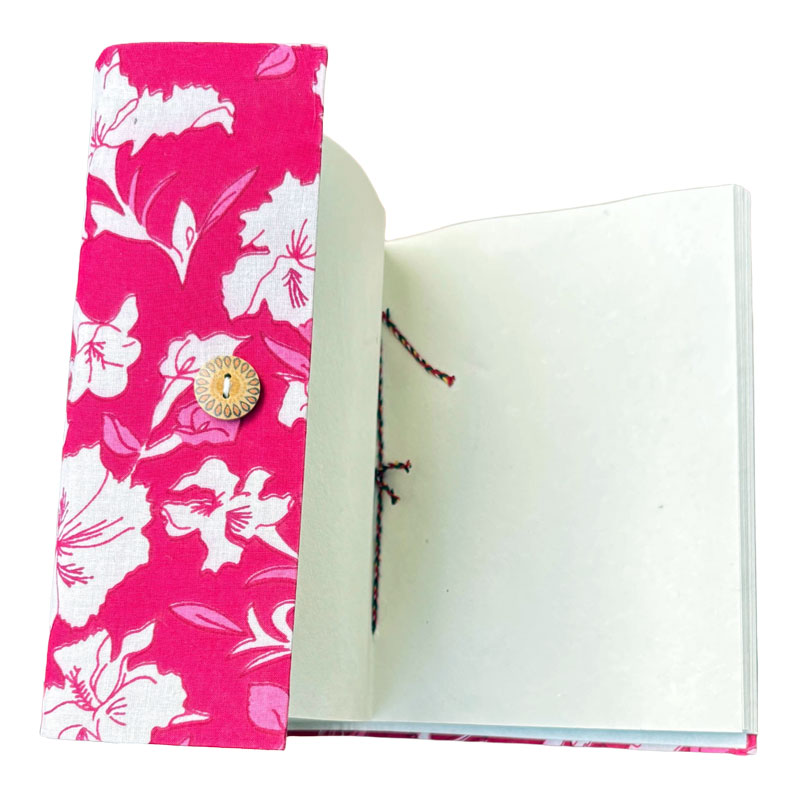
If you love journaling, drawing, or writing notes by hand, choose notebooks made from 100% recycled paper or agricultural waste. This cuts down the demand for fresh timber, prevents deforestation, and saves massive amounts of energy and water used in standard paper mills.
9. Switch to Natural, Biodegradable Cleaning Supplies
Chemical-packed glass cleaners and floor scrubs run down our home drains, polluting groundwater and harming aquatic life. Eco-friendly cleaning brands (like Seventh Generation or Method) use plant-derived surfactants that break down naturally without compromising on grease-fighting power.
10. Replace Plastic Wrap with Beeswax Food Wraps
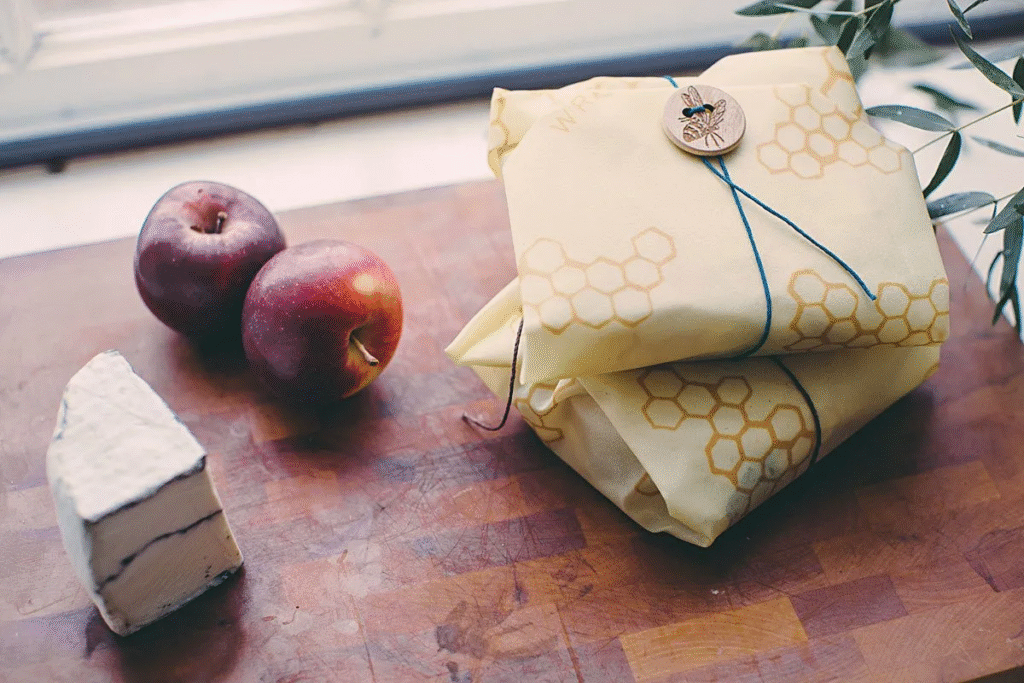
Single-use plastic wrap is hard to recycle, sticky, and wasteful. Reusable food wraps made from organic cotton infused with beeswax or plant oils (like Bee’s Wrap or Etee) stretch around bowls, half-cut fruits, and sandwiches using the natural warmth of your hands. Simply rinse with cool water, air dry, and reuse!
Innovation & Technology: Building a Cleaner Future
Going green isn’t just about what individual shoppers choose—it’s also about how industries redesign materials from the ground up. Technology and research play a massive role in creating affordable green solutions that scale globally.
- Solar-Powered Gear: Portable solar chargers from brands like Anker and Goal Zero let you recharge your smartphones and gadgets using clean sunlight rather than grid electricity.
- Compostable Phone Accessories: Companies like Pela Case now produce shock-absorbent phone cases made from flax straw materials that protect your device from drops and break down naturally when discarded.
- Material Science & R&D: Firms like Signicent actively conduct technology gap analysis, patent tracking, and market intelligence to advance sustainable composite plastics. By analyzing global green tech developments, researchers help manufacturers launch biodegradable materials faster and at lower costs.
How to Build a Sustainable Lifestyle Without Stress

Adopting a greener lifestyle is a journey, not a high-speed race. Here are four practical strategies to keep the transition smooth and affordable:
- Use Up What You Already Own: Don’t throw away plastic food containers or hairbrushes just to replace them with eco-friendly alternatives today. The greenest product is always the one you already have! Replace items only when they naturally wear out.
- Take It One Room at a Time: Start in the bathroom (toothbrushes, soap bars, bamboo buds). Once that feels second nature, move on to the kitchen (food wraps, reusable towels, natural dish soaps).
- Buy Household Essentials in Bulk: Purchasing items like eco-friendly laundry detergents or soaps in larger quantities reduces packaging waste and saves you money on every unit.
- Share Your Simple Wins: Talk to your friends, family, and coworkers about the easy swaps you’ve made. Word-of-mouth recommendations create a positive ripple effect that inspires others to make mindful choices too.
Frequently Asked Questions
1. Are eco-friendly products significantly more expensive?
While some sustainable items have a slightly higher upfront price, they save you money in the long run. Reusable items—such as stainless steel bottles, cloth bags, and beeswax wraps—replace hundreds of repeat single-use purchases over time.
2. How can I tell if a product is genuinely green or just “greenwashed”?
Look for recognized, independent certifications on the packaging, such as USDA Certified Biobased, Fair Trade, Organic, or FSC (Forest Stewardship Council). Avoid items that make broad claims like “100% natural” without listing clear ingredients or materials.
3. What is the absolute easiest swap to start with?
Carrying your own reusable cloth bag when shopping and using a stainless steel water bottle are the two easiest habits to build. Together, they eliminate hundreds of single-use plastic items every single year.
4. Do bamboo toothbrushes really decompose in regular dirt?
Yes! The wooden handle of a bamboo toothbrush is 100% biodegradable and will naturally break down in home compost or soil. Because bristles are usually made from nylon or corn-starch blends for oral hygiene, simply pull them out with pliers before composting the handle.
5. How do compostable garbage bags break down?
Compostable garbage bags are designed to decompose in oxygen-rich, warm environments like home compost bins or municipal organic processing plants within 3 to 6 months, leaving behind no microplastics or toxic chemicals.