
The iPhone is nearly old enough to vote, and Apple isn’t slowing down. For nearly two decades, the tech world has set its clock to Cupertino’s fall hardware reveals. But as September 2026 approaches, the company is preparing one of the most unusual release strategies in its history.
A mix of supply chain bottlenecks, custom silicon leaps, and the arrival of Apple’s long-rumored foldable smartphone is reshaping the entire iPhone 18 lineup. If you are holding out for an upgrade this fall, here is a complete, human-guided breakdown of what to expect, what it will cost, and why the “standard” iPhone experience is changing.
The Big Lineup Shakeup: September vs. Spring
For years, Apple followed a predictable rhythm: announce four new iPhones every September, take pre-orders on Friday, and put them on store shelves a week later. This year breaks that mold entirely.
┌─────────────────────────────────────────────────────────┐
│              FALL 2026 LAUNCH WINDOW                   │
│  [iPhone 18 Pro]   [iPhone 18 Pro Max]   [iPhone Ultra] │
└─────────────────────────────────────────────────────────┘
                             │
                             ▼
┌─────────────────────────────────────────────────────────┐
│             SPRING 2027 LAUNCH WINDOW                  │
│  [iPhone 18 Base]   [iPhone Air 2]      [iPhone 18e]    │
└─────────────────────────────────────────────────────────┘
Due to high demand for memory chips driven by the AI industry—often referred to in tech circles as “RAMageddon”—and strategic focus on high-margin devices, Apple is splitting its lineup.
- Fall 2026 (Expected Sept. 9 Reveal): Apple will focus exclusively on its top-tier lineup. This includes the iPhone 18 Pro, the massive iPhone 18 Pro Max, and the debut of the iPhone Ultra (Apple’s first-ever passport-style foldable).
- Spring 2027 (Expected March/April Reveal): The entry-level iPhone 18, the iPhone 18e, and the second-generation iPhone Air are tipped to land during Apple’s spring window alongside new iPads and MacBooks.
To bridge the gap for buyers wanting a traditional baseline model this autumn, Apple is reportedly extending production of the iPhone 17.
Design and Display Updates
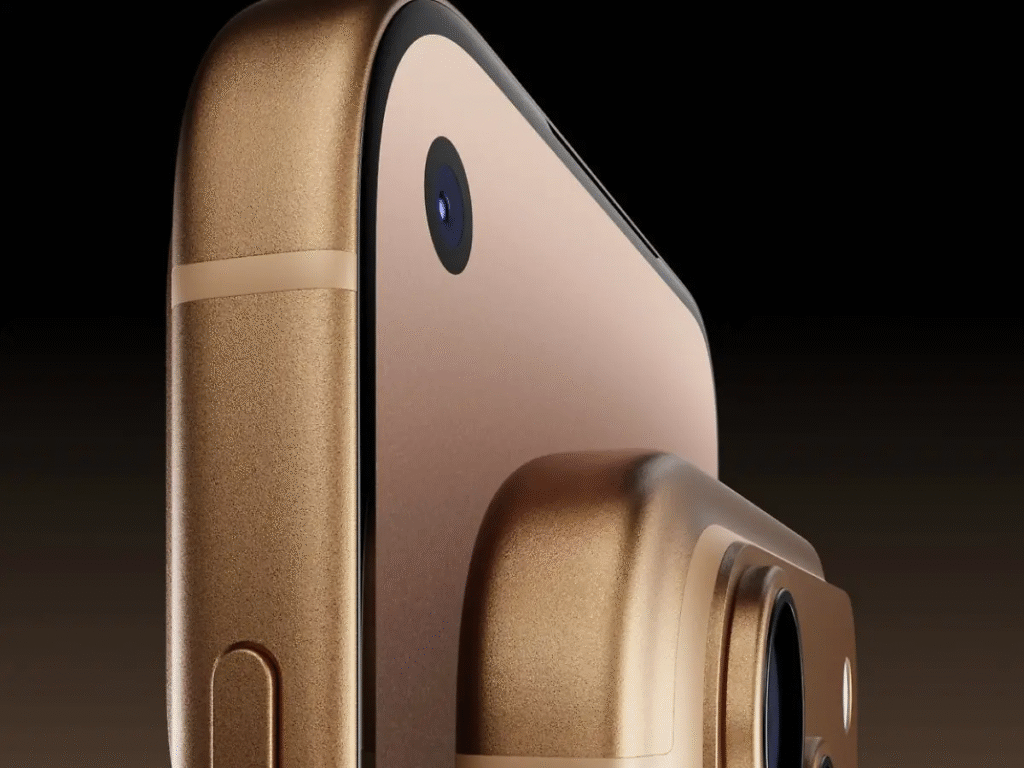
If you were hoping for a radical aesthetic redesign of the Pro models, you might want to adjust your expectations. With Apple’s hardware design team now working under new executive leadership, the focus for 2026 is refined industrial mechanics rather than flashy re-skins.
Dynamic Island Shrinks
For the first time since its debut on the iPhone 14 Pro, the Dynamic Island cutout is getting smaller. Leaks from component suppliers suggest Apple has successfully engineered smaller Face ID modules, moving portions of the sensors underneath the display glass. This leaves a noticeably smaller pill-shaped cutout, giving users a tiny bit more screen real estate.
Unified Glass and New Colors
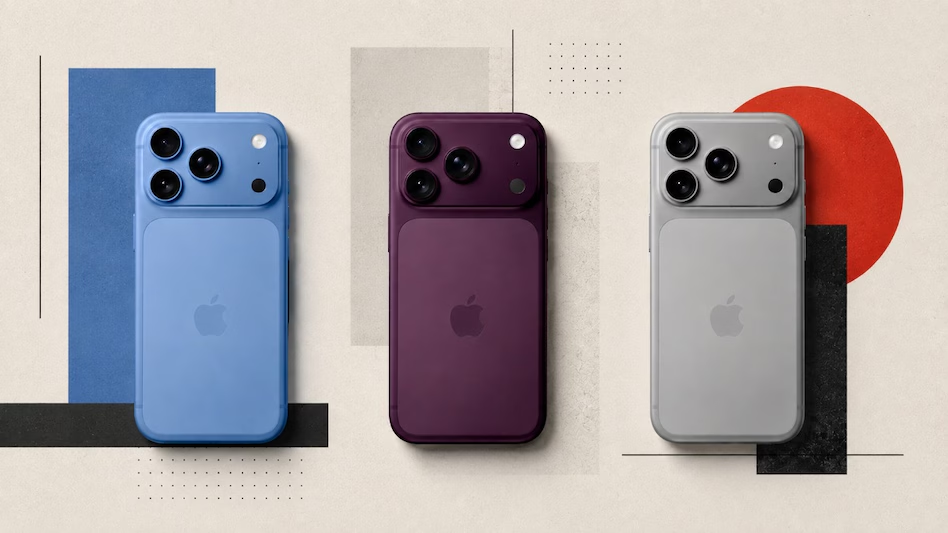
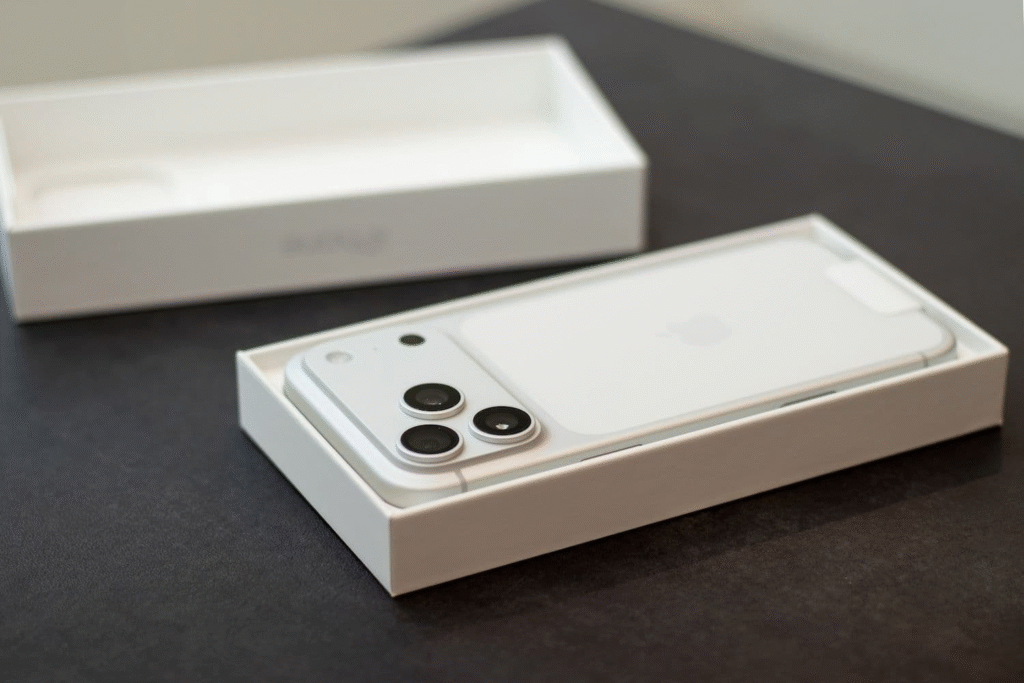
The dual-tone back panel seen on recent Pro models is reportedly being replaced by a single, seamless sheet of micro-etched rear glass. This unifies the color palette across the chassis and camera plateau.
Expected colorways for the Pro lineup include:
- Dark Cherry: A deep, rich burgundy tint replacing last generation’s darker accent color.
- Light Blue: A subtle, icy shade reminiscent of classic ceramic finishes.
- Silver & Dark Gray: The iconic, polished metallic staples.
Screen Sizes & Case Compatibility
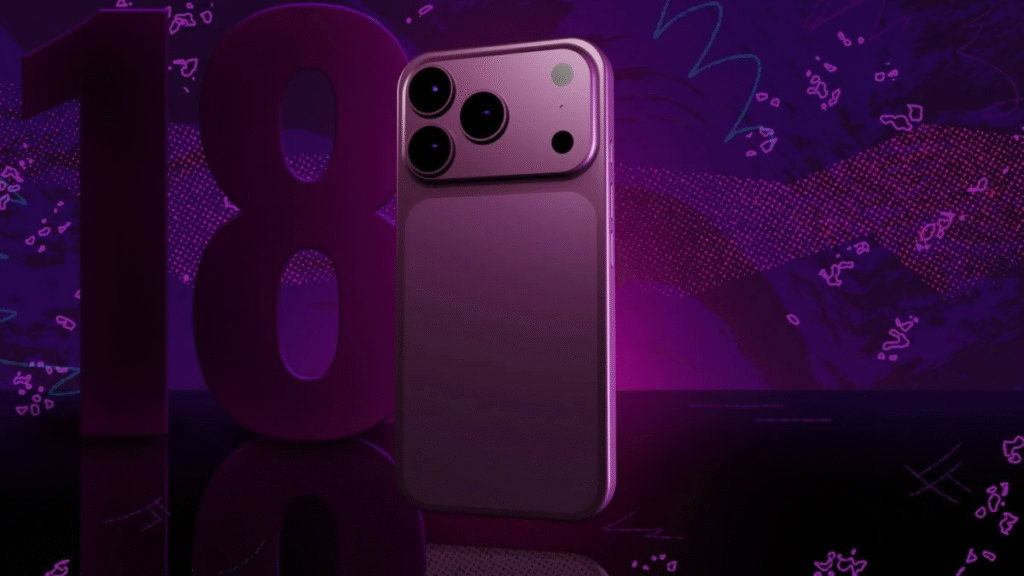
Display sizes remain steady at 6.3 inches for the iPhone 18 Pro and 6.9 inches for the iPhone 18 Pro Max. In fact, early accessory leaks indicate that the external dimensions are so similar to the 17 Pro generation that some case manufacturers are designing accessories backward-compatible with both generations.
Under the Hood: The 2nm A20 Pro & Custom Chips
Where the iPhone 18 series lacks in visual drama, it makes up for in internal hardware leaps.
┌─────────────────────────────────────────────────────────────┐
│                      A20 PRO CHIPSET                        │
│                 (Built on 2nm Architecture)                 │
├──────────────────────────────┬──────────────────────────────┤
│       12GB Standard RAM      │       Custom C2 Modem        │
│    (Smarter Siri & On-Device │     (Integrated 5G &         │
│               AI)            │     Satellite Support)       │
└──────────────────────────────┴──────────────────────────────┘
1. The TSMC 2nm A20 Pro Silicon
The iPhone 18 Pro and Pro Max will be among the first consumer electronics powered by chips built on TSMC’s ultra-dense 2-nanometer (2nm) manufacturing process.
Performance: Up to 15% faster CPU compute speeds.
- Efficiency: Up to 30% better power efficiency, keeping heat down during long gaming sessions or video processing.
- AI Packaging: Apple is utilizing a new packaging method known as Wafer-Level Multi-Chip Module (WMCM), placing the CPU, GPU, Neural Engine, and RAM in tighter proximity for faster local processing.
2. Standardized 12GB RAM
To run complex, on-device AI tasks natively alongside the upcoming iOS 27 features, Apple is making 12GB of RAM standard across the 18 Pro lineup. This extra room ensures background apps don’t constantly refresh and Siri can hold multi-turn context without stuttering.
3. Apple-Designed In-House Wireless Chips
Following years of development, Apple is taking direct control over connectivity:
- C2 Cellular Modem: Replaces third-party modems in several regions, optimizing power draw while introducing direct 5G satellite data capabilities.
- N2 Wi-Fi Chip: Designed to improve throughput, lower latency, and make local features like AirDrop and Personal Hotspots rock-solid.
Cameras: Variable Aperture Steps into the Spotlight
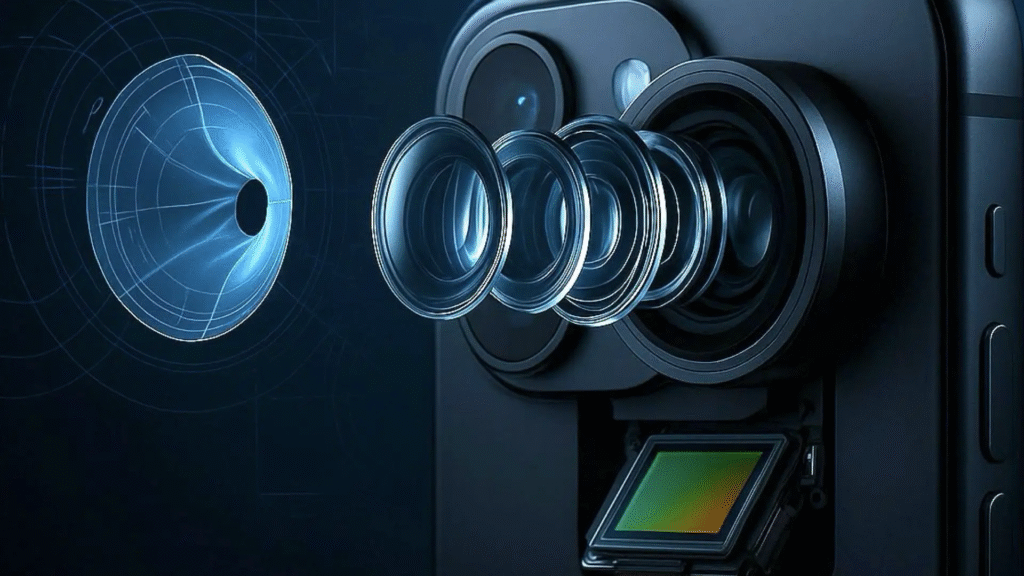
Camera updates remain the primary reason most people upgrade, and 2026 brings a feature smartphone photographers have requested for years: variable physical aperture.
| Feature | Expectation | Why It Matters |
| Main Camera Lens | Variable Mechanical Aperture | Allows real, physical adjustment of light intake and natural background blur (bokeh) without relying solely on software portrait mode. |
| Pro Max Exclusivity | Reserved for Pro Max | Recent supply chain reports suggest the mechanical aperture module requires extra space, making it exclusive to the larger 6.9-inch body. |
| Telephoto & Ultra-Wide | Updated 48MP Sensors | Better low-light capture and color matching across all three rear lenses. |
For serious mobile videographers and low-light photographers, being able to physically stop down an aperture for sharper daylight shots—or open it up wide for crisp night photography—is a major step toward bridge-camera functionality.
Battery & Charging Upgrades
Battery anxiety might finally take a back seat. Thanks to internal logic board rearrangement and slightly thicker chassis profiles, the iPhone 18 Pro Max is expected to pack a 5,000mAh battery.
iPhone 17 Pro Max  [████████████████████░░]  ~4,400 mAh
iPhone 18 Pro Max  [██████████████████████]  ~5,000 mAh
Combined with the power savings of the 2nm A20 Pro chip, the 18 Pro Max could comfortably push past 30 hours of moderate-to-heavy usage on a single charge. Thermal dissipation has also been redesigned using vapor chamber cooling to prevent the phone from throttling back brightness when exposed to direct sunlight or heavy charging.
Pricing Realities: Why Upgrades Will Cost More
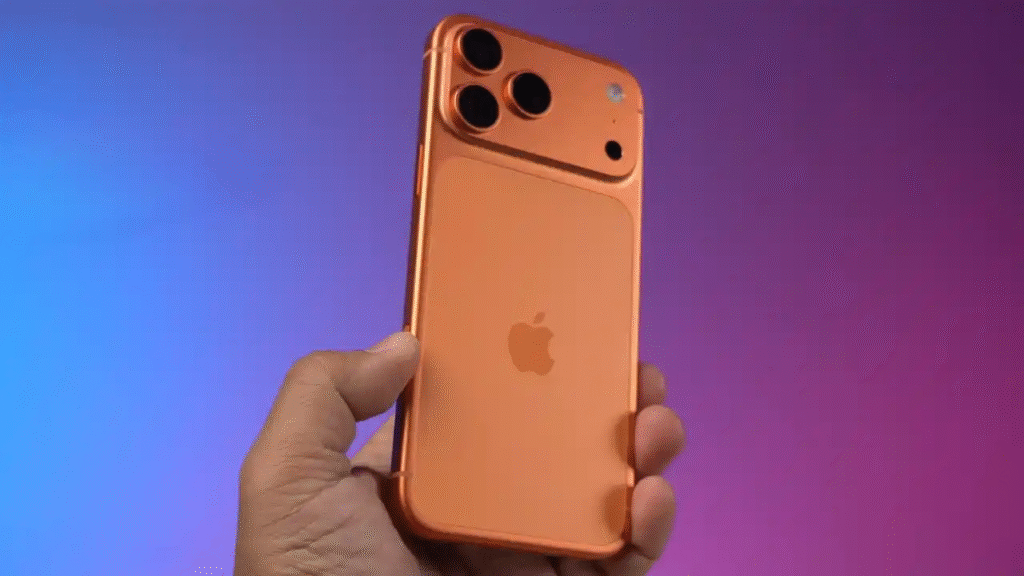
If there is one piece of bad news surrounding the upcoming launch, it is the price tag. Component costs for high-density LPDDR5X RAM, advanced 2nm silicon wafers, and custom modems have driven up production costs across the board.
Analysts and supply chain tracking reports project a $100 to $300 price increase compared to previous generations:
- iPhone 18 Pro: Expected to start around $1,199 – $1,299 (up from $999/$1,099 in previous years).
- iPhone 18 Pro Max: Expected to start around $1,399 – $1,499 for the base storage configuration.
- iPhone Ultra (Foldable): Expected to enter as a ultra-premium halo product priced between $1,999 and $2,199.
While these numbers are steep, trade-in promotions from major carriers are expected to be aggressive as networks push users toward 5G satellite-enabled plans.
Summary Checklist: Should You Upgrade?
Deciding whether to buy an iPhone 18 Pro model comes down to what you are currently holding in your hand:
- If you have an iPhone 12, 13, or 14: The cumulative leap in processing power, screen brightness, battery life, camera versatility, and RAM makes the iPhone 18 Pro a massive upgrade.
- If you have an iPhone 15 Pro or 16 Pro: You likely have access to core Apple AI tools and high-refresh screens. Unless you desperately want the mechanical camera aperture or extended battery life of the Pro Max, holding out until the rumored iPhone 20 redesign might make more economic sense.
- If you want a standard model: Do not wait for September; start saving for the spring 2027 window when the base iPhone 18 hits the market.
With the official keynote right around the corner, Apple is preparing to prove that even at 19 years old, the iPhone still has plenty of room to grow.
FAQs
When will the iPhone 18 lineup actually hit store shelves?
Apple is expected to stick to its usual early-September launch window for the high-end models, likely announcing the iPhone 18 Pro, Pro Max, and the new foldable iPhone Ultra around September 9. However, supply chain leaks indicate the standard iPhone 18 and new iPhone Air won’t arrive until spring (likely March or April).
Why are the iPhone 18 Pro prices expected to go up?
An industry-wide RAM shortage and rising costs for TSMC’s new 2nm chips are driving up production expenses. Reports suggest memory components alone cost Apple around $150 more per device, which means retail price hikes of $100 to $300 across the Pro lineup are very likely.
What are the main design changes coming to the iPhone 18 Pro?
While screen sizes stay identical at 6.3 inches and 6.9 inches, the front screen will feature a smaller Dynamic Island cutout thanks to under-display Face ID sensors. Around back, Apple is swapping the two-tone finish for a unified sheet of glass across new colors like Dark Cherry and Light Blue.
Will the iPhone 18 cameras get any big hardware upgrades?
Yes, the headline upgrade is a variable mechanical aperture on the main camera, allowing physical adjustment of light intake and depth of field. This hardware feature will give photos natural optical background blur (bokeh) and better low-light control without leaning entirely on software rendering.
What is the rumored iPhone Ultra foldable?
The iPhone Ultra is tipped to be Apple’s first-ever passport-style folding smartphone. Positioned as a separate halo product, it will feature premium specs and an estimated price tag around $1,999, though launch-day stock may be extremely limited due to complex display manufacturing.