
Choosing the right products to sell online is easily one of the biggest choices you’ll make when starting an e-commerce business. But with thousands of items across dozens of industries, figuring out where to begin can feel overwhelming.
This guide breaks down why starting an online shop is a smart move, highlights the top trending items to sell right now, and shares actionable tips on how to build a store that stands out from the crowd.
Why Should You Launch an E-Commerce Store?
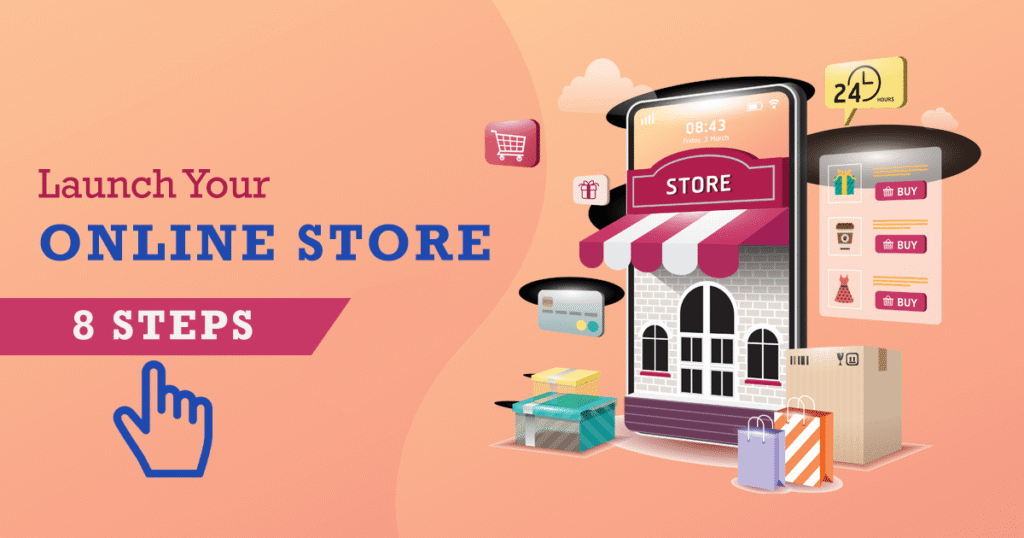
Starting an online shop gives you the freedom to build a brand with minimal initial overhead.
Unlike a traditional physical store that requires commercial rent, local permits, licensing, and months of preparation, you can launch a fully functional web store right from your home office in under a month.
The Simple 5-Step Launch Roadmap
Launching an e-commerce brand comes down to five straightforward steps:
- Pick your product line: Decide on a specific problem to solve or a clear customer group to serve.
- Claim your web address: Register a custom domain name and select a fast, reliable web hosting plan.
- Design your website: Build a clean, user-friendly storefront using a trusted site builder.
- Set up payments and shipping: Connect a secure checkout system and figure out how orders will be packed and delivered.
- Publish and market: Write clear product descriptions, create helpful content, and share your brand on social channels.
| Feature | Online Store | Physical Store |
|---|---|---|
| Setup Time | Under 30 Days | 3 to 6+ Months |
| Initial Overhead | Very Low (Hosting & Domain) | High (Rent, Renovations, Permits) |
| Audience Reach | Global / Nationwide | Local Foot Traffic |
| Operating Hours | 24/7/365 Non-stop | Fixed Daily Hours |
Unmatched Reach and Flexibility

The biggest advantage of selling online is unlimited growth potential. A brick-and-mortar storefront depends entirely on people walking down your specific street. An online store, on the other hand, opens your digital doors to buyers across the country—or around the world.
Because your website works non-stop 24 hours a day, 7 days a week, you can capture sales while sleeping, traveling, or focusing on marketing. Whether you prefer storing your own stock or running a dropshipping model, starting an e-commerce brand is far more approachable than most people realize.
10 Trending Products to Sell Online
There isn’t a single “secret product” that guarantees instant fortune. As long as an item enjoys steady market demand and reliable suppliers, it can build a profitable business.
Based on global search volume and year-over-year search growth, here are ten high-performing items making waves across online retail.
1. Niacinamide Body Lotion
- Search Growth: +2,100% (YoY)
- Typical Price: $10 – $35
- Monthly Searches: 720
- Popular Suppliers: Cosmetix Club, IndiaMART, Faire
Niacinamide body lotion brings a popular facial skincare ingredient—Vitamin B3—to full-body skin health. It helps strengthen the skin barrier, smooth uneven texture, and calm dryness. Because consumers treat it as an affordable, daily self-care upgrade, it makes a great staple product for beauty brands.
2. Foldable Chairs

• Search Growth: +89% (YoY)
•Typical Price: $25 – $150
•Monthly Searches: 18,100
•Popular Suppliers: Alibaba, Made-in-China, Tho
Foldable chairs provide quick, portable seating for backyard gatherings, camping trips, patio setups, and small indoor spaces like dorm rooms. Modern designs focus on lightweight frames that remain sturdy, making them appealing to both outdoor enthusiasts and people living in compact apartments.
3. Vitamin C Serum
- Search Growth: +52% (YoY)
- Typical Price: $12 – $80
- Monthly Searches: 74,000
- Popular Suppliers: LACACO, Wholesale Makeup, BeautyJoint
Vitamin C serum is a cornerstone item in modern facial care, popular for brightening dull skin and evening out tone. Because shoppers use it daily as part of their routine, it generates steady, year-round sales volume and offers great potential for subscription-style reorders.
4. Smart Doorbell Cameras
- Search Growth: +78% (YoY)
- Typical Price: $50 – $300
- Monthly Searches: 33,100
- Popular Suppliers: Global Sources, Blackwire Designs, Wholesale Home
Doorbell cameras blend standard doorbells with video recording, motion alerts, night vision, and two-way audio connected to a smartphone app. Steady interest in smart home tech and personal security keeps these devices in high demand.
5. Scalp Massagers
•Search Growth: +3,710% (YoY)
•Typical Price: $5 – $25
•Monthly Searches: 33,100
•Popular Suppliers: Alibaba, Faire, Relaxus Wholesale
Scalp massagers are handheld silicone tools designed to stimulate the scalp during dry massages or while lathering shampoo. They’re affordable to manufacture, easy to ship, and wildly popular on social media, making them perfect entry-level items or impulse checkout add-ons.

6. Wireless Bluetooth Headphones
- Search Growth: +50% (YoY)
- Typical Price: $20 – $300
- Monthly Searches: 60,500
- Popular Suppliers: Cable Wholesale, KIKO Wireless, A&A Global
From compact earbuds to noise-canceling over-ear models, wireless audio gear remains an essential accessory for workouts, remote work, commuting, and everyday listening. This broad appeal creates a massive potential customer base.
7. Hydrating Under-Eye Patches
- Search Growth: +54% (YoY)
- Typical Price: $10 – $60
- Monthly Searches: 22,200
- Popular Suppliers: Miin Trade, Arielcosmetic, Taiki Cosmetics
Under-eye patches are quick, gel-based treatments formulated to hydrate skin and reduce the appearance of tired eyes. Frequently sold as single-use packs or monthly jars, these consumable products keep satisfied buyers coming back for more.
8. At-Home Teeth Whitening Strips
- Search Growth: +33% (YoY)
- Typical Price: $15 – $60
- Monthly Searches: 27,100
- Popular Suppliers: Optimal Whitening, All Travel Sizes, The Whitening Store
Teeth whitening strips offer an easy, budget-friendly way to brighten smiles at home without expensive dental visits. Their convenience and low barrier to entry make them a reliable seller in the health and personal care niche.
9. High-Protein Snack Bars

- Search Growth: +19% (YoY)
- Typical Price: $20 – $40 (Multipacks)
- Monthly Searches: 74,000
- Popular Suppliers: Webstaurant Store, Built, Protein Puck
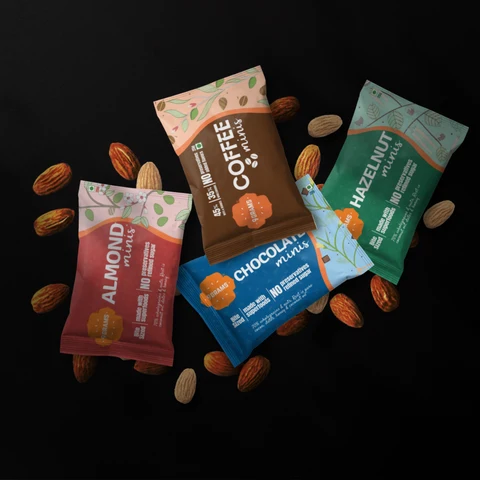
Protein bars offer portable, pre-portioned nutrition for fitness lovers, busy professionals, and travelers. Selling them in flavor variety packs or recurring monthly bundles builds predictable revenue for health-focused stores.
10. Exosome Skincare Serum
- Search Growth: +6,400% (YoY)
- Typical Price: $50 – $300+
- Monthly Searches: 1,900
- Popular Suppliers: MedShift, Verabella, LPG Clinics Wholesale
Exosome serum is a high-end, specialized anti-aging product designed to boost skin elasticity, support cellular renewal, and reduce redness. Its premium positioning allows sellers to capture strong profit margins from dedicated skincare fans seeking advanced results.
How to Shop (and Sell) Smarter Online

Online shopping offers more variety than ever, but it can also be confusing. Flashy advertisements, endless product listings, and biased reviews make it tough to separate genuine value from poor quality.
Whether you’re making personal purchases or designing a great buying experience for your own store’s customers, these five core rules will keep you on track.
       5-STEP SMART SHOPPING PROCESS

   [1] Identify the Problem
        │
        ▼
   [2] Compare Key Features & Price
        │
        ▼
   [3] Read Verified Customer Reviews
        │
        ▼
   [4] Evaluate Long-Term Quality & Support
        │
        ▼
   [5] Complete Purchase on Secure Site
1. Identify the Exact Need First
Before clicking “Add to Cart” or stocking a new product, get clear on the exact objective:
- What specific problem does this product fix?
- Are basic features enough, or are premium upgrades necessary?
- How frequently will this item actually be used?
Focusing on genuine utility cuts out impulse buys and ensures every dollar spent delivers real utility.
2. Compare Options Thoroughly
Avoid grabbing the first option that pops up. Instead, evaluate three key factors:
- Features: Does it have the exact capabilities required?
- Overall Price: Is the price fair relative to the market?
- Brand Reputation: Does the business have a solid history of taking care of customers?
Comparing options helps you find real quality instead of getting tricked by clever marketing slogans.
3. Read Customer Reviews Objectively
User reviews are gold mines for research, but they need to be read carefully:
- Focus on feedback from verified purchasers.
- Pay attention to recurring complaints about durability or shipping delays.
- Look at customer photos and video unboxings to see what the item looks like off-camera.
- Pro Tip: Be cautious of listings with only glowing 5-star ratings; balanced, honest reviews build far more real credibility.
4. Think About Long-Term Value
The cheapest upfront option often ends up costing more in the long run if it breaks quickly or underperforms. Instead, look for:
- Solid Materials: Will the item hold up to normal wear and tear?
- Clear Warranties: Does the seller stand behind their product?
- Reliable Performance: Will it continue working as promised over time?
Paying slightly more upfront for better quality saves money, time, and hassle down the road.
5. Stick to Verified, Secure Stores

Always shop on—and operate—websites that protect customer security. A trustworthy store should always offer:
- Encrypted, secure checkout processing.
- Straightforward return and exchange policies.
- Responsive, reachable customer support.
Frequently Asked Questions
1. How do I know if a trending product is worth selling?
Look for products with steady or rising search interest, good profit margins, and reliable manufacturing suppliers. Avoid ultra-short-lived viral fads that disappear overnight, and focus on items that solve a genuine, everyday problem for a specific group of people.
2. How much capital do I need to start an online store?
You can start an online store with minimal budget—often under a couple hundred dollars. By using e-commerce platforms and inventory models like dropshipping or print-on-demand, you won’t need to purchase large amounts of upfront inventory before making sales.
3. Should I build a single-product store or a niche catalog?
A single-product store works great if you have a standout item with high margin potential that needs focused marketing. A broader niche store (like home security accessories or beauty items) lets you cross-sell related products and build higher average order values.
4. How can I gain an edge over larger competitors?
Focus on exceptional customer care, specialized product curation, faster response times, and clear brand messaging. While massive retailers compete on sheer volume, smaller brands win by building real relationships and trust with a specific target audience.
5. Why are customer reviews so important for e-commerce stores?
Social proof directly drives conversions. Displaying real customer ratings, photo feedback, and honest reviews builds trust with first-time visitors, answers lingering questions, and reduces product return rates.