
We have all experienced that familiar morning frustration: standing in front of a closet bursting with clothes, yet feeling like we have absolutely nothing to wear. In a world driven by fast fashion cycles and fleeting weekly trends, our wardrobes often become cluttered, overwhelming space hogs. We end up accumulating piles of cheap, impulse-bought garments that lose their shape after a few washes, leaving us feeling dissatisfied and uninspired.
Transitioning to a sustainable minimalist wardrobe is the ultimate remedy for fashion fatigue. A minimalist wardrobe—often called a capsule wardrobe—is not about limiting yourself to three plain black t-shirts or giving up your personal style. Instead, it is about intentionally curating a collection of high-quality, versatile clothes that you love, fit you comfortably, and seamlessly mix and match.
By prioritizing quality over quantity and choosing environmentally conscious garments, you save time, reduce daily stress, save money in the long run, and significantly lower your environmental footprint.
Understanding the Core Philosophy of a Minimalist Wardrobe
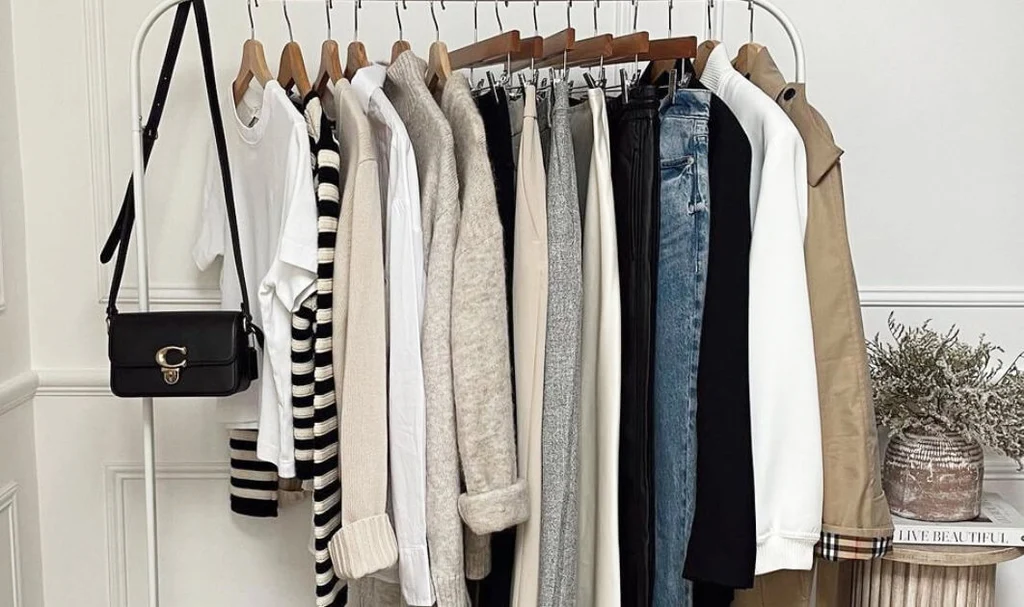
To build a functional minimalist wardrobe, it helps to understand its core principle: intentionality. Most traditional wardrobes are built reactively—we buy items because they are on sale, trending on social media, or needed for a single event. A minimalist wardrobe is built proactively, based on what actually fits your daily routine, climate, and personal taste.
Living with fewer, better clothes requires a shift in how we perceive value. A ten-dollar shirt that loses its shape after two wears is ultimately far more expensive—and wasteful—than a fifty-dollar sustainably sourced cotton shirt that stays crisp for five years. When every piece in your closet serves a clear purpose and brings you joy, getting dressed in the morning stops being a stressful chore and becomes an effortless habit.
Step 1: Conducting a Complete Wardrobe Audit
Before you go out and buy eco-friendly clothes, the most sustainable step you can take is to work with what you already own. A thorough closet audit allows you to understand what you actually wear and why you wear it.
The Clear-Out Process
Clear out your entire closet and lay all your garments on your bed. Separate everything into four distinct piles:
- Keep: Items you wear regularly, feel confident in, and fit well right now.
- Repair/Alter: Great quality pieces that just need a missing button, a mended seam, or a quick hem adjustment.
- Donate/Sell: Clean, good-condition items that no longer fit your lifestyle or body, but can bring joy to someone else.
- Recycle: Heavily worn items beyond repair that can be taken to textile recycling centers rather than thrown in the trash.
Evaluating Your Personal Style and Daily Needs
Take a close look at your “Keep” pile. You will quickly notice patterns in colors, cuts, and fabrics. Ask yourself how your clothes match your actual lifestyle. If you work from home four days a week, half your wardrobe should not consist of strict formal suits. Aligning your wardrobe with your real daily activities prevents unnecessary purchases down the line.
Step 2: Defining Your Signature Palette and Core Essentials
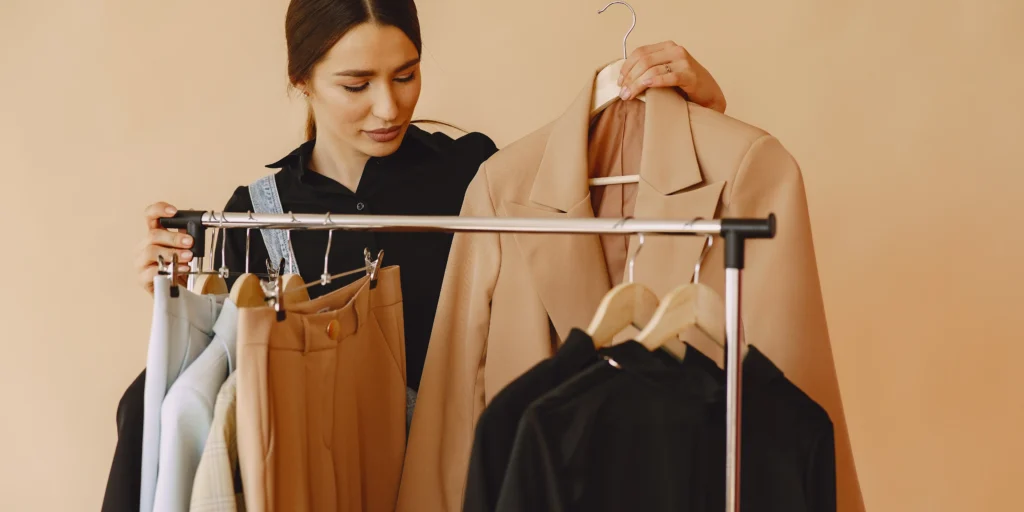
The magic of a minimalist wardrobe lies in versatility. The goal is to make sure almost any top in your closet pairs effortlessly with almost any bottom.
+-------------------+------------------------------------+-------------------------------------+
| Category          | Timeless Minimalist Staples        | Key Selection Criteria              |
+-------------------+------------------------------------+-------------------------------------+
| Tops              | Organic cotton tees, Linen shirts  | Breathable, neutral tone, easy fit  |
| Bottoms           | Dark denim, Tailored trousers      | Durable stitching, classic cut      |
| Layering          | Structured blazer, Fine knitwear   | Neutral shade, natural fiber blend  |
| Outerwear         | Trench coat, Tailored wool coat    | Timeless silhouette, weather-proof  |
| Footwear          | Clean white sneakers, Leather boots| High comfort, durable soles         |
+-------------------+------------------------------------+-------------------------------------+
Choosing a Harmonious Color Palette
A practical color scheme usually includes two or three base neutral colors, combined with two or three subtle accent colors:
- Base Neutrals: Black, navy blue, white, cream, camel, or charcoal gray. These shades form the foundation of your trousers, jackets, and shoes.
- Accent Colors: Soft terracotta, sage green, burgundy, pastel blue, or warm mustard. These bring personality to your tops, scarves, and accessories without clashing with your bases.
The Must-Have Clothing Essentials
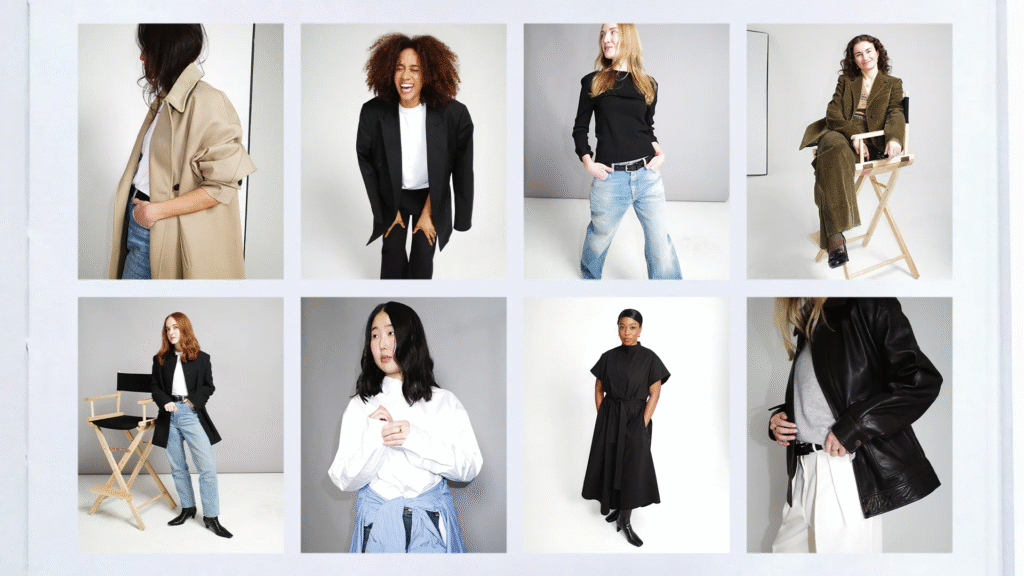
While every individual’s wardrobe will vary based on lifestyle, a versatile foundation typically includes about 25 to 35 total pieces:
- Basic Tops: 4–6 high-quality organic cotton t-shirts in neutral shades.
- Button-Down Shirts: 2–3 classic linen or cotton button-down shirts for layering or work.
- Knitwear: 2–3 lightweight jumpers or cardigans made from natural wool, cashmere, or cotton.
- Bottoms: 2 pairs of well-fitted, timeless jeans (straight or wide-leg) and 2 pairs of tailored trousers.
- Layering Pieces: 1 structured blazer and 1 versatile trench coat or casual jacket.
- Footwear: 1 pair of everyday clean white sneakers, 1 pair of comfortable flats or loafers, and 1 pair of durable boots.
Step 3: Choosing Truly Sustainable and Eco-Friendly Fabrics
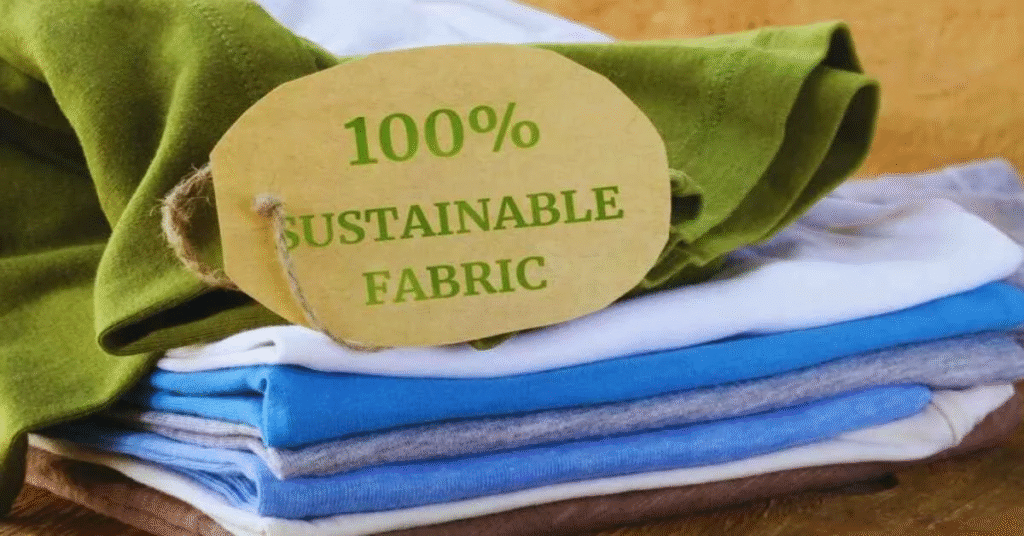
When you are ready to fill specific gaps in your wardrobe, choosing durable, sustainable materials ensures your garments last for years rather than months.
Natural and Organic Fibers
Natural fibers come from renewable plants or animals and are naturally biodegradable:
- Organic Cotton: Grown without harmful synthetic pesticides or massive water waste, making it soft, breathable, and durable.
- Linen: Made from the hardy flax plant, linen requires very little water to grow. It is extremely strong, lightweight, and gets softer with every wash.
- Responsibly Sourced Wool and Cashmere: Natural insulators that regulate temperature exceptionally well, requiring fewer washes while offering superior durability.
Innovative Eco-Friendly Materials
Modern sustainable fashion also utilizes eco-conscious man-made materials derived from natural sources:
- Tencel (Lyocell): Made from sustainably harvested wood pulp in a closed-loop system, Tencel is silky smooth, moisture-wicking, and wrinkle-resistant.
- Recycled Synthetics: Recycled polyester or nylon made from ocean plastics and post-consumer waste helps divert trash from landfills, making it a good choice for weather-resistant outerwear.
Step 4: Smart Shopping Habits for a Lifetime of Quality

Building a sustainable wardrobe is an ongoing practice, not an overnight shopping spree. Adopting intentional buying habits protects your budget and keeps clutter from creeping back in.
The “30 Wears Rule”
Before purchasing any new item, ask yourself a simple question: “Will I realistically wear this item at least 30 times?” If the answer is no, leave it on the rack. This simple mental check quickly stops impulse purchases driven by temporary events or short-lived trends.
Embracing Second-Hand and Vintage Shopping
Shopping second-hand is one of the most effective ways to lower your fashion impact. Thrift stores, vintage shops, and online consignment platforms are filled with pre-loved, high-end garments made from superior fabrics at a fraction of their original retail price. Buying second-hand extends the life cycle of existing clothes and keeps textiles out of landfills.
Step 5: Caring for Your Clothes so They Last
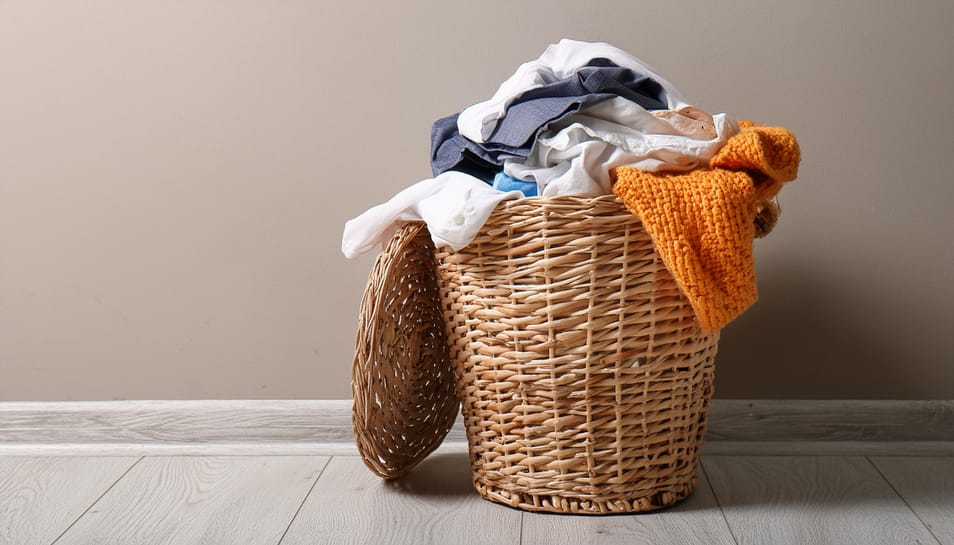
How you care for your garments is just as important as how you buy them. Proper maintenance doubles the lifespan of your clothes and keeps them looking fresh for years.
Gentle Washing Practices
- Wash Less Often: Clothes like jeans, heavy knits, and jackets do not need to be washed after every single wear. Airing them out often restores freshness.
- Use Cold Water: Washing your clothes in cold water prevents shrinkage, protects delicate fabric fibers, prevents color fading, and saves energy.
- Air Dry Whenever Possible: The high heat of tumble dryers breaks down elastic fibers and causes fabrics to wear out quickly. Hang your clothes to air dry whenever you can.
Proper Storage and Repairs
Store heavy knits folded on shelves rather than hanging them, as hangers stretch out shoulder seams over time. Invest in a simple fabric shaver to remove fuzz and pilling from woolen items, making them look brand-new instantly. Learn basic mending skills—like sewing on a loose button or fixing a minor tear—so small defects do not force you to retire a great garment early.
The Lasting Benefits of Living with Less
Simplifying your wardrobe brings a surprising sense of mental freedom. You spend less time worrying about what to wear each morning and more time focusing on what truly matters to you. You save money by escaping the endless cycle of micro-trends, and you take comfort in knowing your choices support a cleaner, fairer environment. A sustainable minimalist wardrobe proves that true style is not about having a closet packed with endless options—it is about having the right options.
Frequently Asked Questions
How many total items should be in a minimalist wardrobe?
There is no fixed magic number. Most minimalist capsule wardrobes range anywhere between 25 and 40 pieces per season, excluding activewear, loungewear, and undergarments.
Will a minimalist wardrobe make my outfits look boring?
Not at all! You can easily add personality, texture, and pops of color using accessories like scarves, belts, jewelry, and statement shoes while keeping your core clothes simple.
How do I handle changing seasons with a capsule wardrobe?
Store off-season garments neatly in breathable storage bags. Rotate your core pieces twice a year, bringing light linens out for spring/summer and heavier wools out for autumn/winter.
Is sustainable clothing always expensive?
Not necessarily. While high-quality sustainable brands cost more upfront, buying second-hand, shopping vintage, or simply caring for your existing clothes costs very little and is equally eco-friendly.
What should I do with clothes that are too damaged to donate?
Do not throw them in the household trash. Drop damaged textiles off at dedicated clothing recycling drop-boxes, local brand take-back programs, or repurpose them into household cleaning rags.