
Glasgow has an infectious, big-hearted energy that catches you completely off guard the moment you step off the train. Sitting proudly along the banks of the River Clyde, Scotland’s largest city balances historic grandeur with raw, down-to-earth character. It is a place where medieval cathedrals and soaring Victorian sandstone terraces sit side by side with bold modern structures like the zig-zagging Riverside Museum.
While neighboring Edinburgh often grabs the initial travel spotlight with its fairy-tale castle, Glasgow holds the key to Scotland’s creative and cultural heart. It is packed with vibrant independent neighborhoods, legendary music venues, an extraordinary food scene, and a locals-first warmth that turns simple sightseeing into lifelong memories.
Marvel at Architectural Wonders and Historic Landmarks
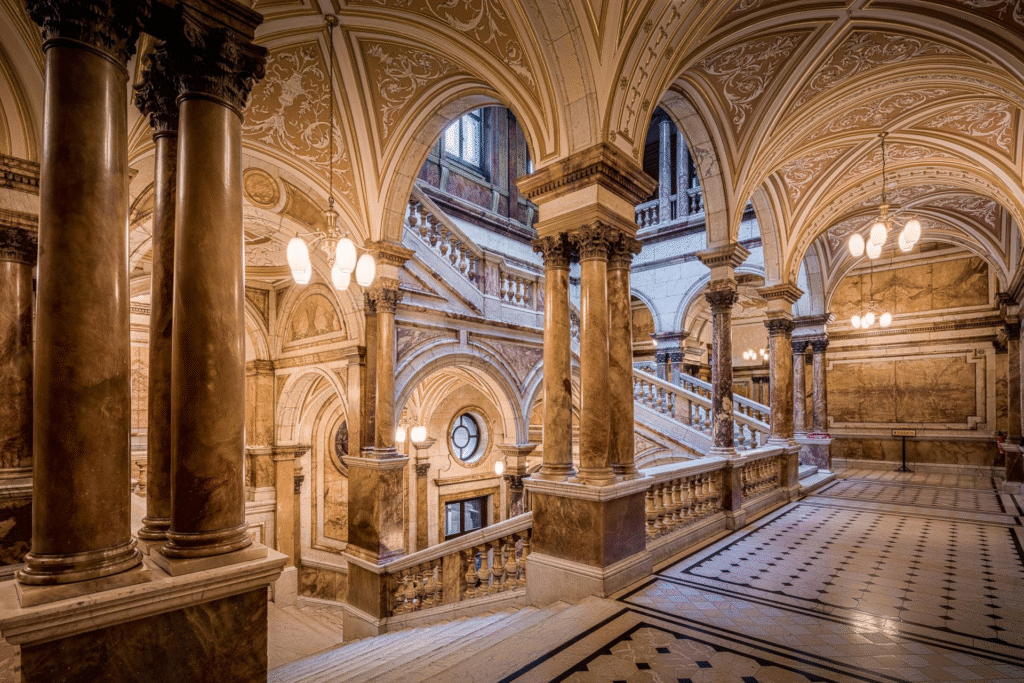
Glasgow’s streets feel like a walking museum tracing centuries of European design. Start your journey at Glasgow Cathedral, a magnificent medieval structure and one of the only Scottish churches to survive the Reformation completely intact. Walking through its grand stone arches and descending into the atmospheric 13th-century crypt feels like stepping back in time. Sunbeams stream through hand-crafted stained glass windows, casting brilliant pools of color across ancient stone floors.
Directly behind the cathedral, a historic stone bridge leads up to the Glasgow Necropolis. Designed in the 19th century as a Victorian garden cemetery, this hilltop landmark is dotted with thousands of intricate monuments, obelisks, and statues. The gentle walk to the summit repays you with sweeping panoramic views of the entire city stretching out toward the surrounding hills, making it the finest spot in town to watch the golden light hit the city’s sandstone rooftops.
For architecture and design enthusiasts, Glasgow is the undisputed home of Charles Rennie Mackintosh, Scotland’s most celebrated Art Nouveau architect and designer. You can trace his delicate floral motifs and bold geometric style throughout the city:
- The Mackintosh at the Willow: A beautifully restored tea room on Sauchiehall Street where you can enjoy traditional afternoon tea inside an original 1903 Mackintosh-designed interior.
- House for an Art Lover: Set within the quiet greenery of Bellahouston Park, this striking villa was constructed from Mackintosh’s original 1901 blueprints.
- The Lighthouse: Located just off busy Buchanan Street, offering a climb up a famous spiral staircase for panoramic views over the city center grid.
Down on the Clyde waterfront, modern architecture takes center stage. The Riverside Museum, designed by Zaha Hadid Architects, features a dramatic, metallic zig-zag roofline. Inside, thousands of historic transport exhibits—from vintage streetcars and locomotives to interactive historic street scenes—bring Glasgow’s shipbuilding and industrial heritage to life.
Further west, the University of Glasgow offers pure Gothic revival drama. Its vaulted stone cloisters look like a scene straight out of a fantasy film, with peaceful pathways leading directly into the lush green lawns of Kelvingrove Park and the world-famous Kelvingrove Art Gallery and Museum.
Explore the Creative Vibe and Hidden Lanes
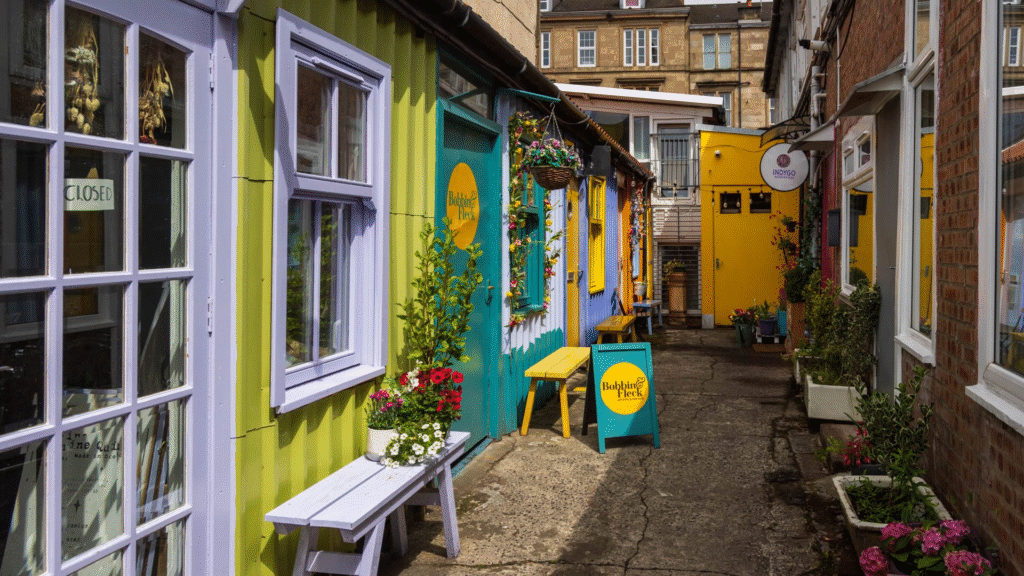
Glasgow thrives on grassroots culture, independent art, and community spirit. You do not need a ticket to appreciate its artistic soul; you just need a comfortable pair of walking shoes. The City Centre Mural Trail turns bare urban brick walls into giant, hyper-realistic canvases. Wandering the trail brings you face-to-face with towering depictions of Saint Mungo, whimsical floating taxicabs, and massive portraits of local icons.
To experience Glasgow’s thriving maker culture, step out of the West End hustle and duck into The Hidden Lane in Finnieston. This tucked-away cobblestone courtyard is a colorful hive of indie creativity:
- Browse working studios filled with local painters, jewelers, printmakers, and ceramicists.
- Pick up hand-poured candles, vintage clothing, and locally designed textiles.
- Pause for fresh scones and tea served on vintage china at the cozy Hidden Lane Tearoom.
If you want a fascinating glimpse into domestic history, visit The Tenement House in Garnethill. This ordinary-looking flat has been preserved almost exactly as it was in the early 1900s. With its original gas lighting, coal-fired kitchen range, and century-old household items left in place, it offers an intimate look into everyday domestic life during the city’s industrial boom.
Savor the World-Class Food and Brunch Scene

Glasgow’s culinary landscape has evolved into one of the most exciting dining scenes in the UK. The city takes its daytime dining seriously, boasting a massive brunch culture across the Southside and West End neighborhoods:
- Brunch Scene: Local spots dish out creative twists on morning classics, serving up spicy chorizo hashes, poached eggs over sourdough, and fluffy stacks of buttermilk pancakes topped with seasonal preserves.
- The Finnieston Strip: Once an industrial dockland district, Finnieston is now Glasgow’s unofficial dining capital, filled with cozy seafood bistros, natural wine bars, and farm-to-table restaurants.
- Indoor Street Food Halls: Warehouses converted into lively halls like Dockyard Social and Platform feature craft beers, live music, and global street food vendors under festoon lights.
Weekend markets add even more character to your visit. Wandering through the historic Barras Market in the East End brings you face-to-face with vintage fashion, antique trinkets, vinyl records, and quick-witted local banter.
Dive into Legend-Status Music and Nightlife
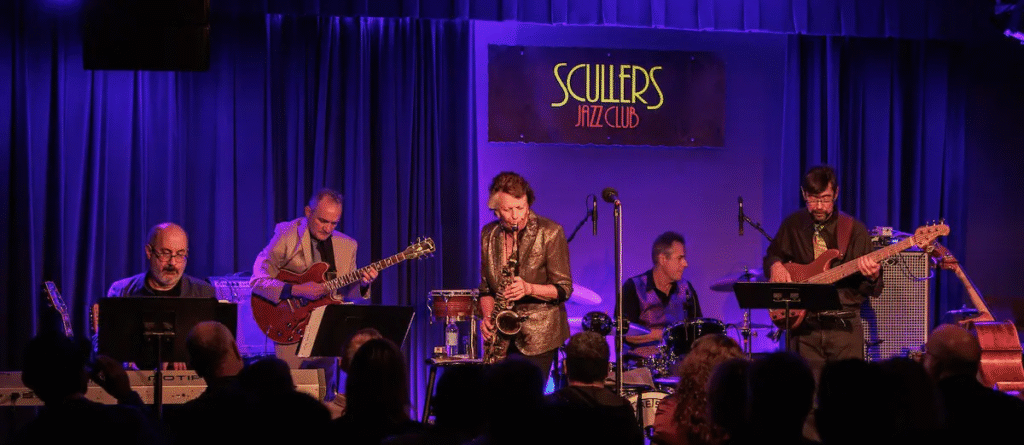
Music is the true heart of Glasgow. Recognized as a UNESCO City of Music, live performances happen every single night across dozens of historic venues:
- King Tut’s Wah Wah Hut: The legendary basement venue where Oasis was famously discovered; perfect for catching up-and-coming indie bands.
- Barrowland Ballroom: Renowned globally for its iconic neon sign, legendary sprung dance floor, and passionate crowds.
- Traditional Pubs: Cozy spots like The Ben Nevis or The Park Bar host spontaneous folk music sessions alongside extensive menus of single malt whiskies.
If you want to dive deeper into local spirits, book a tour at The Clydeside Distillery. Located in a beautifully restored historic pumphouse down on the docks, it takes you through Glasgow’s whisky-shipping history before wrapping up with a guided single malt tasting overlooking the river.
Experience Legendary Local Hospitality
The city’s official slogan—People Make Glasgow—is far more than a catchy slogan; it is a reality you experience every single day. Glaswegians are famous for their quick wit, generous spirit, and open conversation.
It is completely normal for a local to strike up a friendly chat while waiting for a bus, point out their favorite neighborhood bakery, or walk you two blocks out of their way to make sure you find your venue. This welcoming attitude makes exploring the city feel effortless, especially if you are traveling solo.
Escape to Nearby Natural Wonders
Glasgow serves as the ultimate urban gateway to the Scottish Highlands. When you want to trade city streets for dramatic landscapes, you can reach the shores of Loch Lomond in under 45 minutes by car or train.
Located within Loch Lomond and The Trossachs National Park, this stunning region offers:
- Scenic Boat Cruises: Relaxing water tours departing from Balloch or Tarbet.
- Charming Villages: Idyllic strolls through Luss, famous for its slate cottages and lakeside gardens.
- Highland Hiking: Scenic trails up Conic Hill for sweeping, high-angle views across the island-dotted waters.
If you wish to travel further, daily guided excursions depart from Glasgow city center toward the dramatic glens of Glencoe, Loch Ness, and the Isle of Skye.
When Is The Best Time to Visit Glasgow?
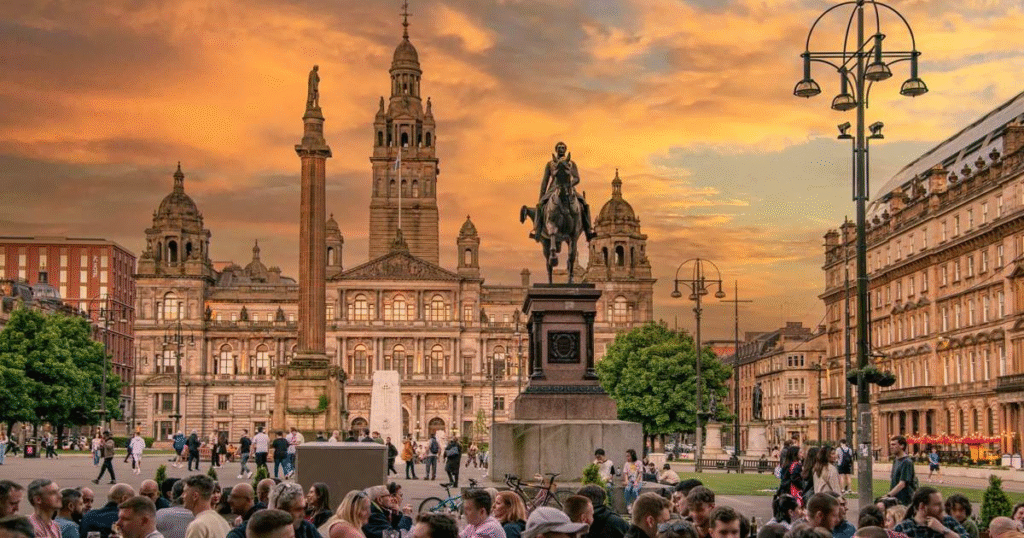
Scottish weather is famously changeable, but late spring and early summer offer the absolute best conditions for exploring.
| Season | Average High / Low | Highlights & Travel Tips |
| May – June (Best) | 15°C – 19°C / 7°C – 10°C | Ideal time to visit. Warm temperatures, minimal rainfall, manageable crowds, and up to 17+ hours of daylight around the June 20 Solstice. |
| July – August | 19°C / 11°C | Warmest weather and vibrant outdoor events, but higher hotel rates and busier tourist traffic. |
| September – October | 12°C – 15°C / 6°C – 8°C | Gorgeous autumn colors across city parks, crisp air, and cozy pub atmosphere with moderate rainfall. |
| November – April | 5°C – 9°C / 2°C – 4°C | Cold and damp with short daylight hours, but budget-friendly room rates and festive winter light displays. |
Frequently Asked Questions
Is Glasgow safe for first-time solo travelers?
Yes, Glasgow is considered very safe and remarkably welcoming for solo travelers. Standard travel precautions apply—keep an eye on your belongings in crowded areas and use registered taxis late at night—but the open nature of the locals makes it easy to ask for directions or help whenever you need it.
How many days should I spend in Glasgow on my first trip?
Plan for 3 to 4 days. This gives you plenty of time to explore major historic landmarks, visit world-class museums like Kelvingrove, enjoy the local food and live music scene, and take a smooth day trip out to Loch Lomond without feeling rushed.
What is the best way to get around the city?
Glasgow is extremely walkable, especially within the City Centre and West End. For longer trips across town, jump on the Glasgow Subway (affectionately nicknamed The Clockwork Orange). It operates in a simple inner-and-outer circle connecting key sightseeing districts, supported by a large local bus network.
Is Glasgow expensive to visit compared to other UK cities?
Glasgow is significantly more affordable than London and noticeably cheaper than neighboring Edinburgh. A huge bonus for visitors is that almost all major civic museums and galleries—including Kelvingrove, the Riverside Museum, and the Gallery of Modern Art—offer free general admission.
How far is Glasgow from Edinburgh, and can I easily visit both?
The two cities are only about 45 miles apart. Direct trains run between Glasgow Queen Street and Edinburgh Waverley constantly throughout the day, taking just 50 to 60 minutes. It is very easy to base yourself in one city and take effortless day trips to the other.